My favorite weaving pattern for now….

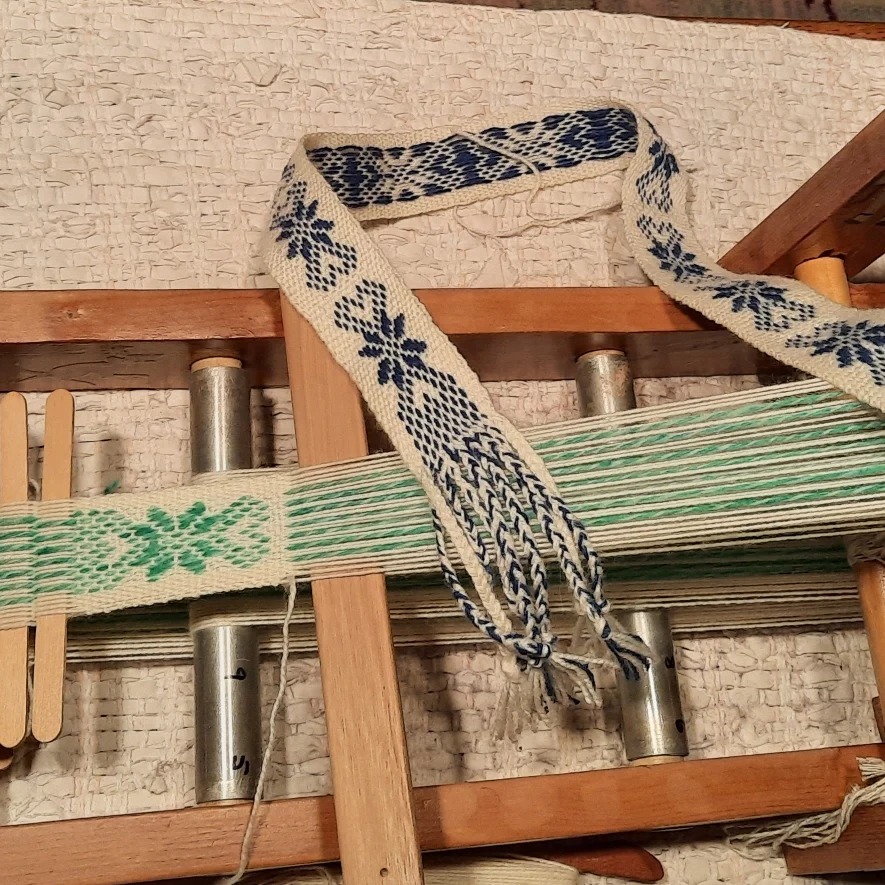
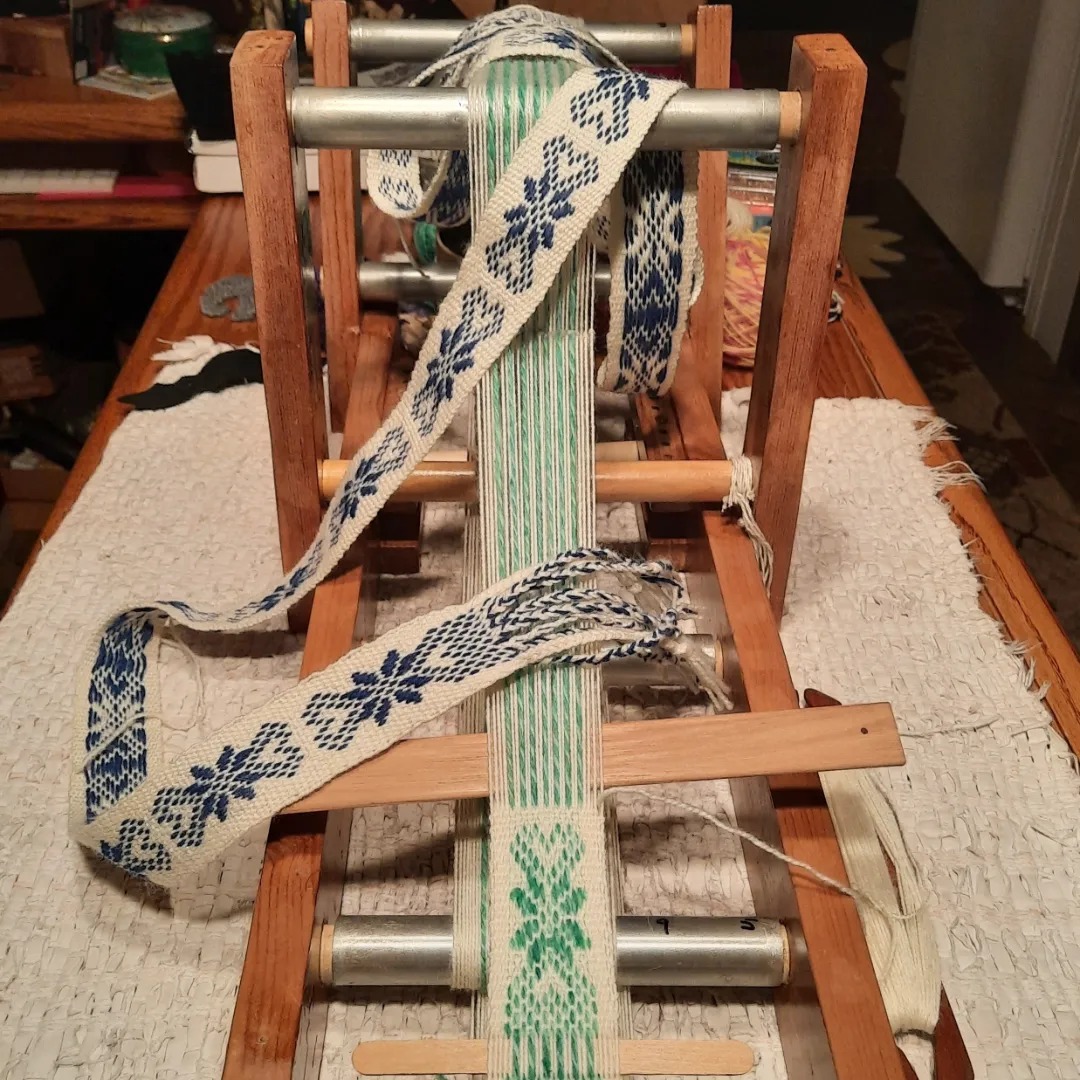
I modified a pattern from the book, The Weaver’s Inkle Pattern Directory, that looks like snowflakes and diamonds. It’s on pg. 77 and is called simply, Baltic-13 2 (it’s actually the one at the bottom of the chart on pg. 77. It’s a neat pattern, but when I started the first one I redrew it so it’s snowflakes and hearts with a 3 row space between each sequence.

I finished the first belt using this pattern in cream white wool and royal blue sized wool. I rewarped the inkle loom with the cream white and my handspun, handdyed turquiose green wool for the next band/belt.

I graphed a draft of my derivation of the Baltic-13 2 draft and changed the colors for the next belt I will be weaving next. The next image is the weaving draft to be used with the threading chart of Baltic-13 2.

I’ve been warping the inkle loom with 9 extra warp threads (4 up and 5 down) on each side of the pattern(s) because I like more selvage on the edges. This next band/belt will be in dark violet, handspun handdyed light turquoise green, forest green, and the single outside pattern edge in hte dark violet.

When I have time, I’ll post progress pictures on facebook and instagram as I go along.

Get going and make something AMAZING!!! Feel free to use the chart for weaving, knitting, crocheting, etc.

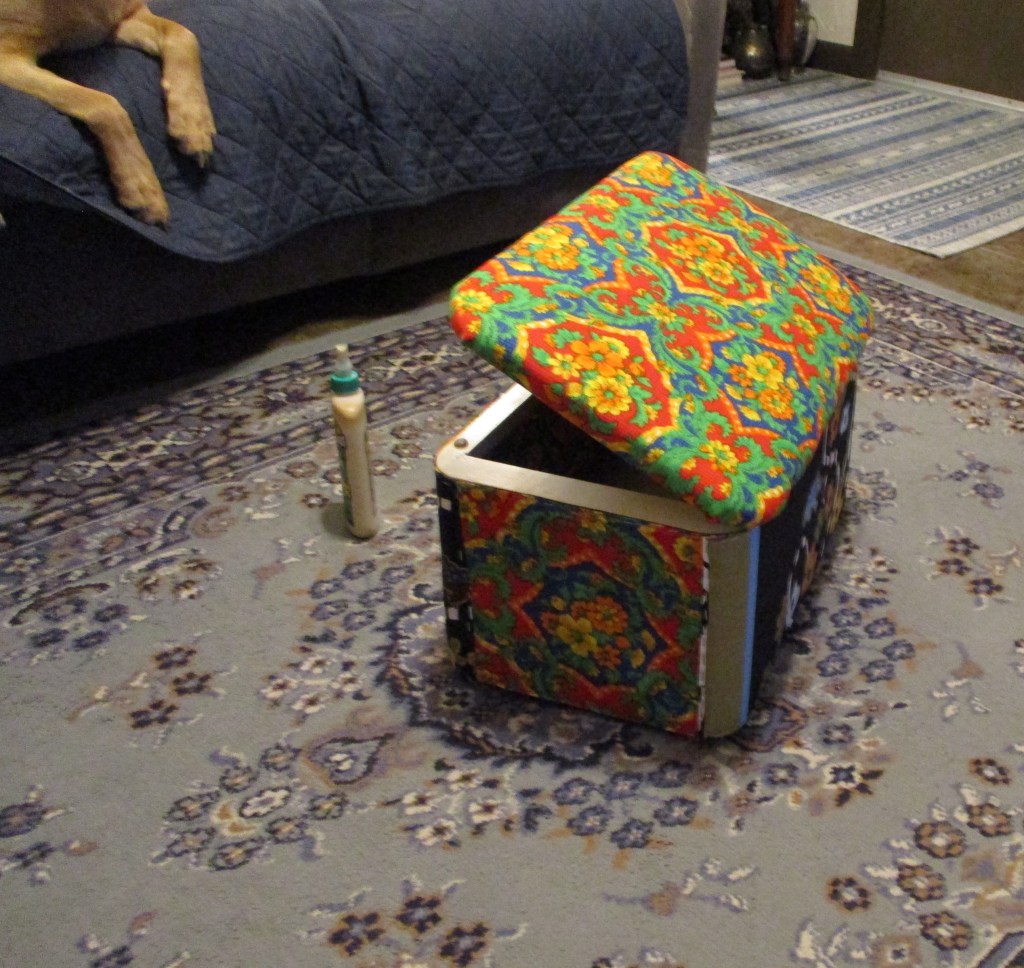
A Restored Antique Burlington Basket Sewing Stool With Storage

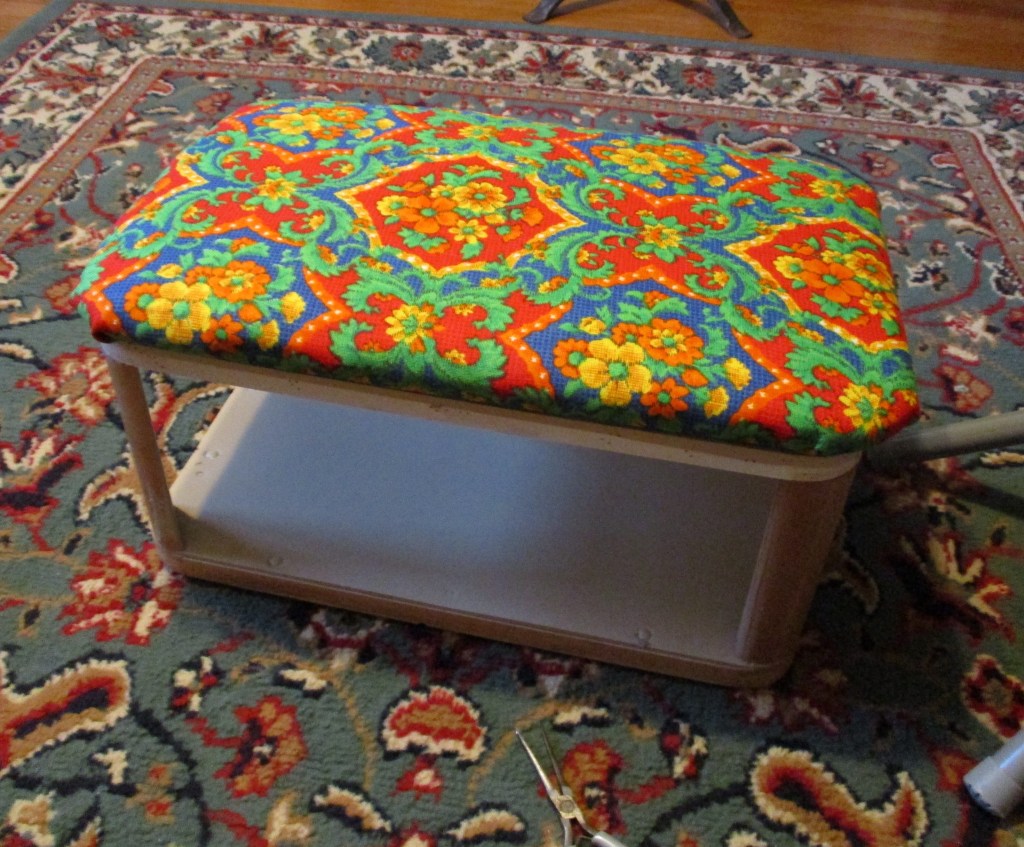
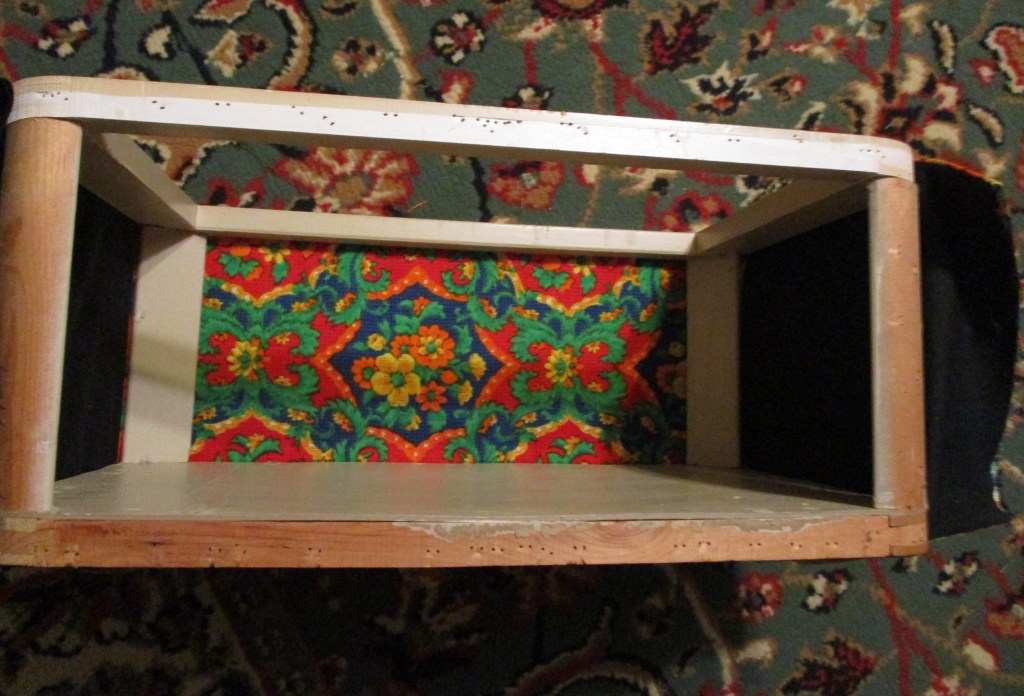
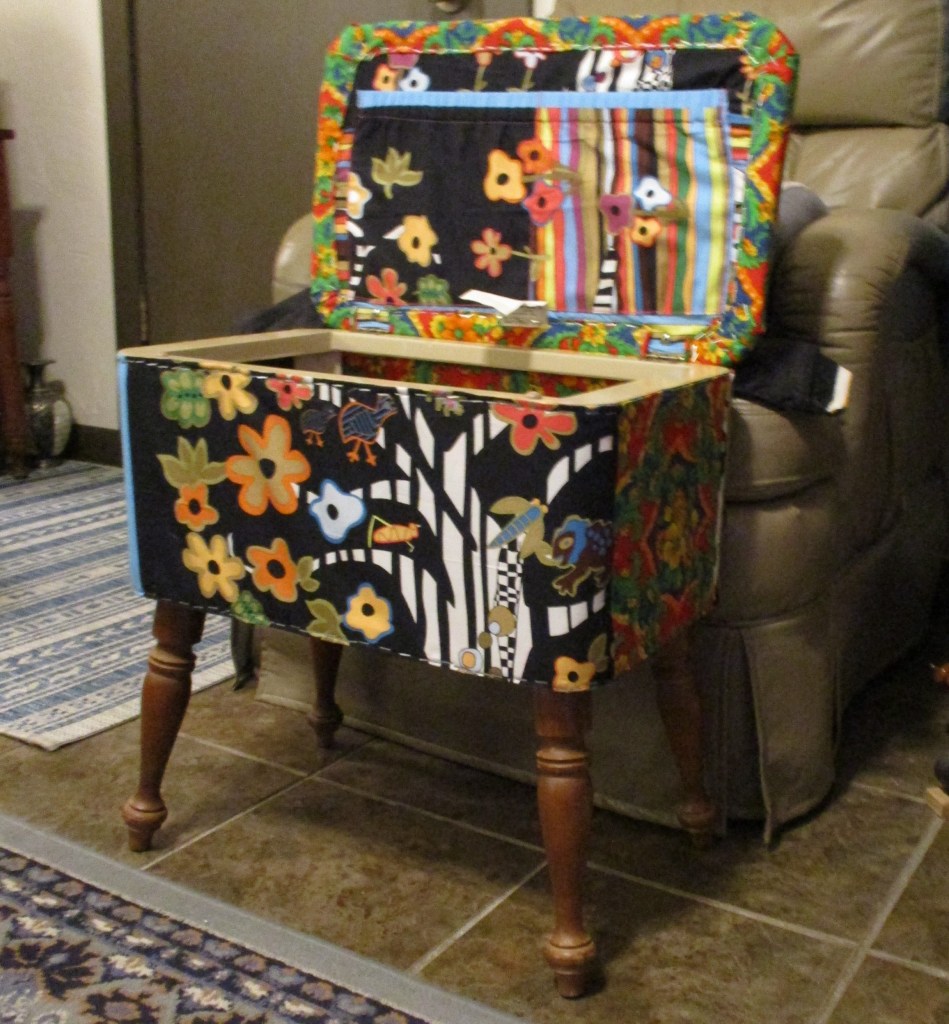
I recently finished a complete restoration of an antique combination sewing stool with storage from 1929 that was originally created for production in 1923. I didn’t take any photos of the original as the fabric was extremely faded and the piece had been ill-used and ill-stored.

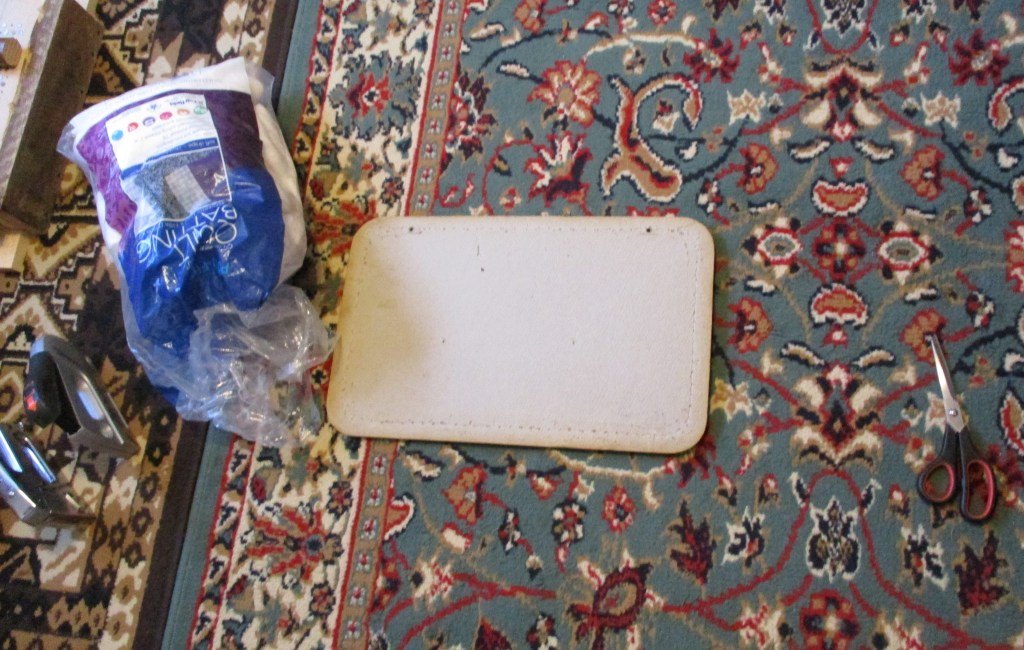
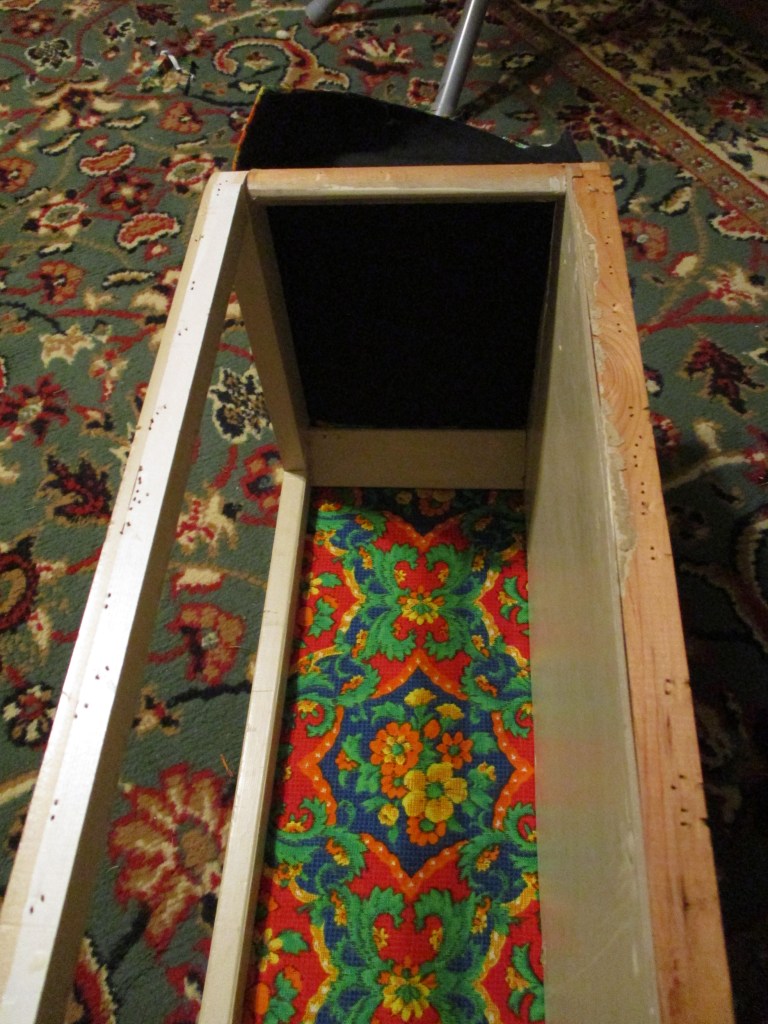
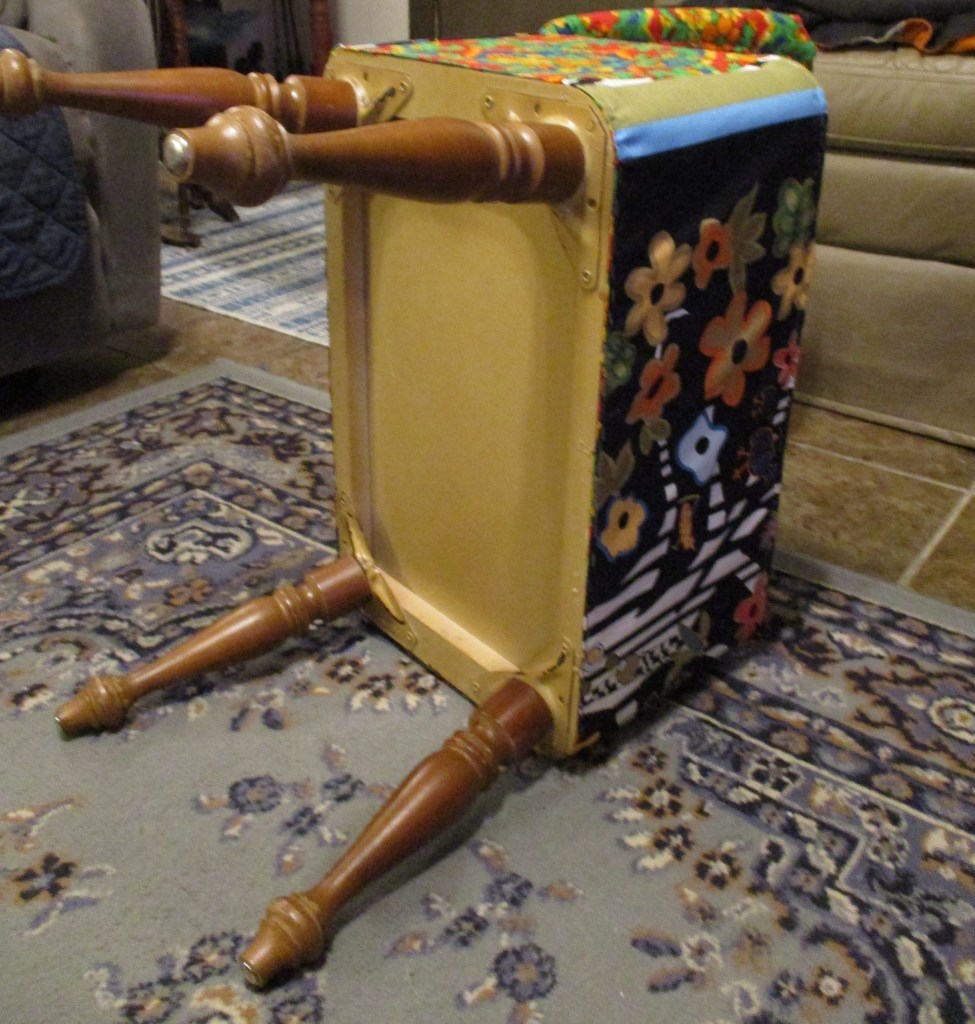
This project was started the week before the Super Bowl and included the removal of asbestos paperboard that the sides were originally made of and reupholstering the sewing stool as well as keeping it as close to the original as possible. The legs are turned oak with metal feet. The frame of the sewing stool is hardwood, however I’m not sure what kind as the paint isn’t chipped anywhere. The corners appear to be hardwood as well.

I finally made the decision to get it completed on Super Bowl Sunday and was able to complete it before the game was over.

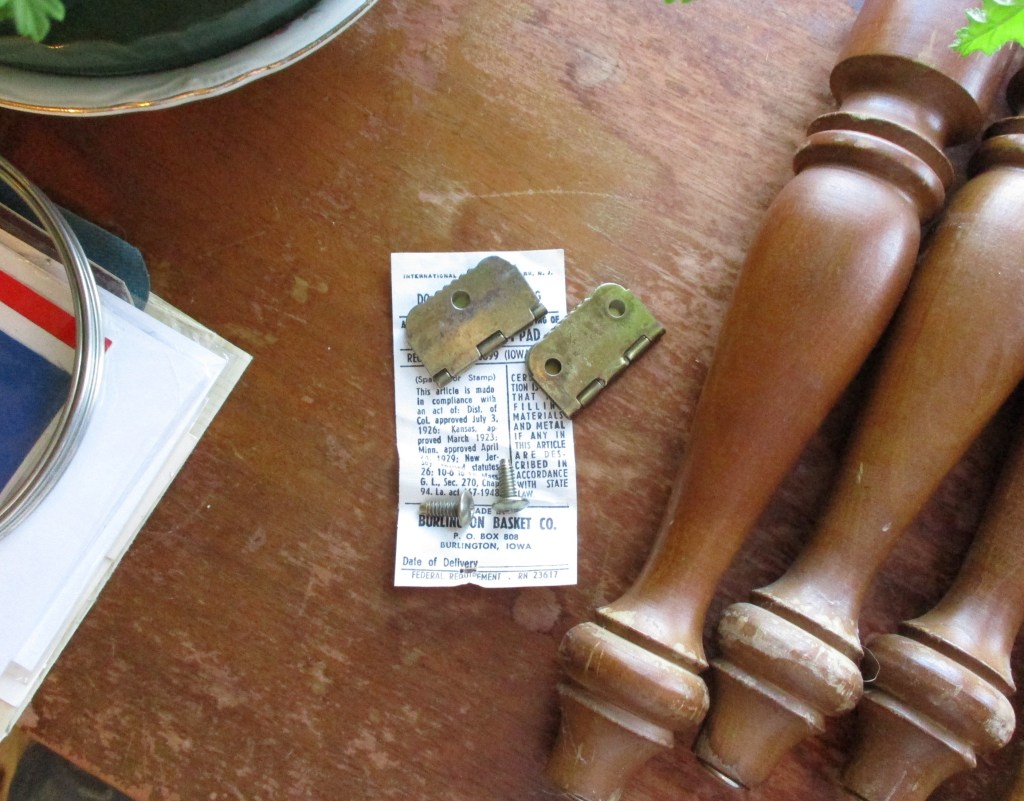
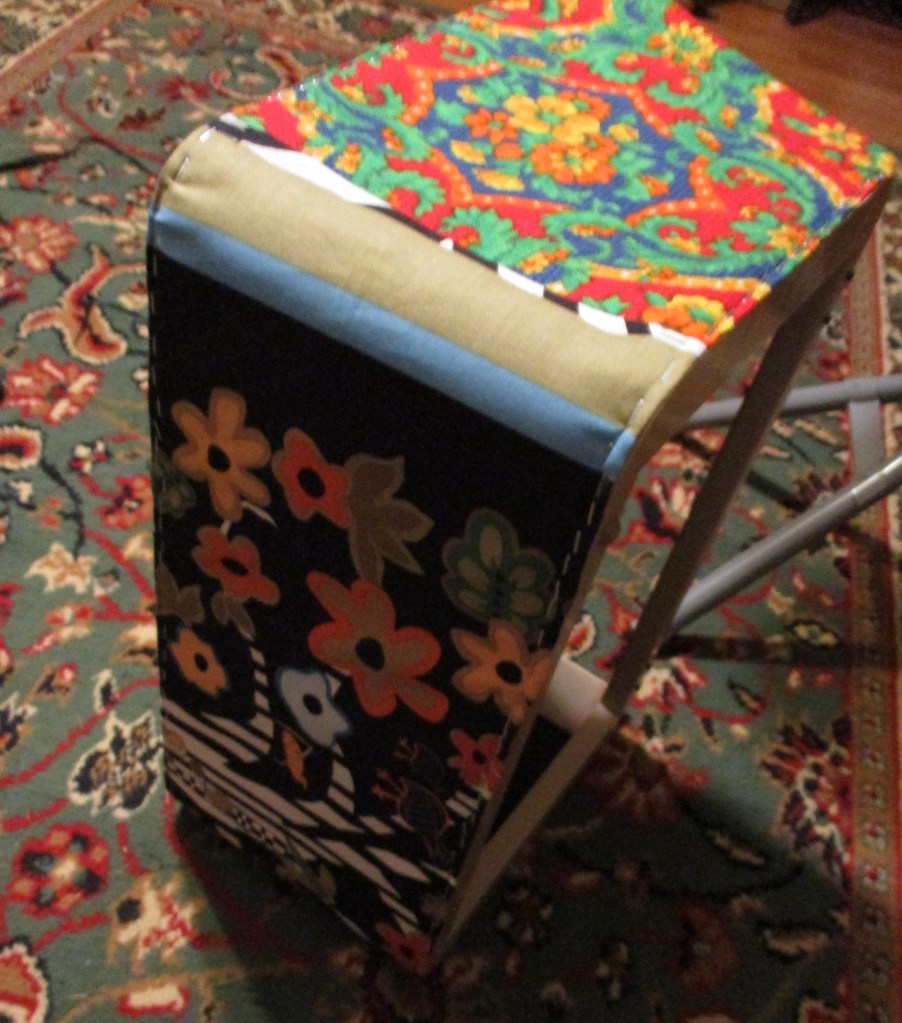
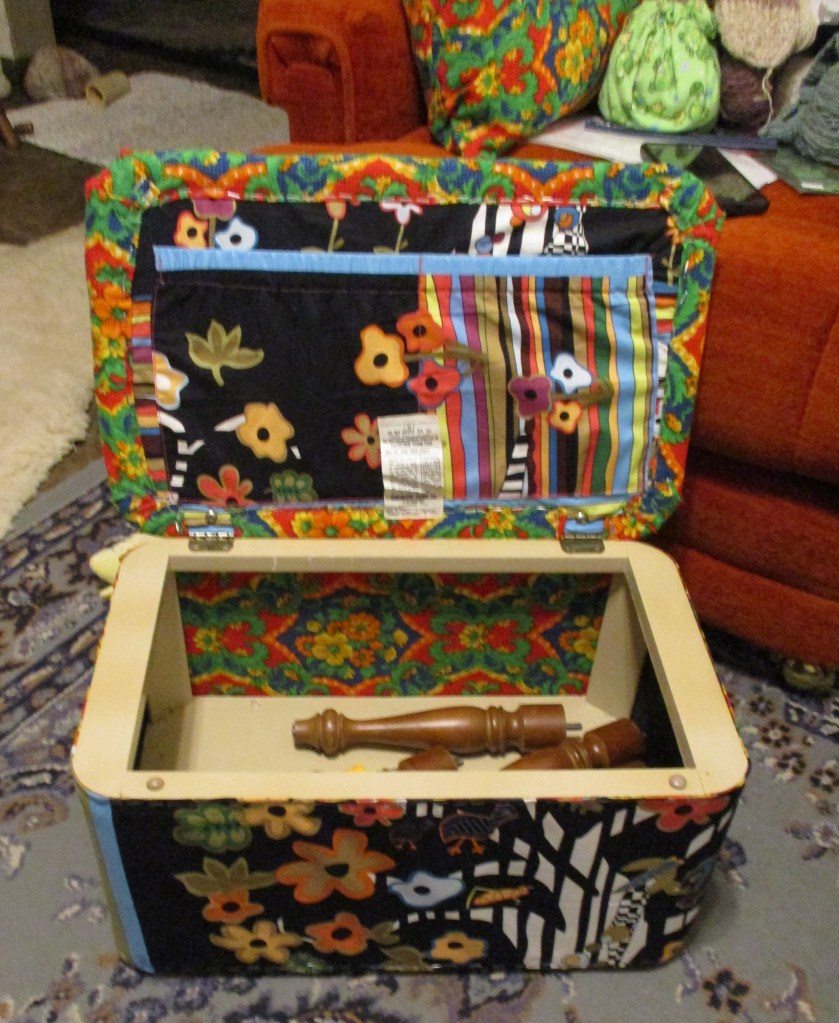
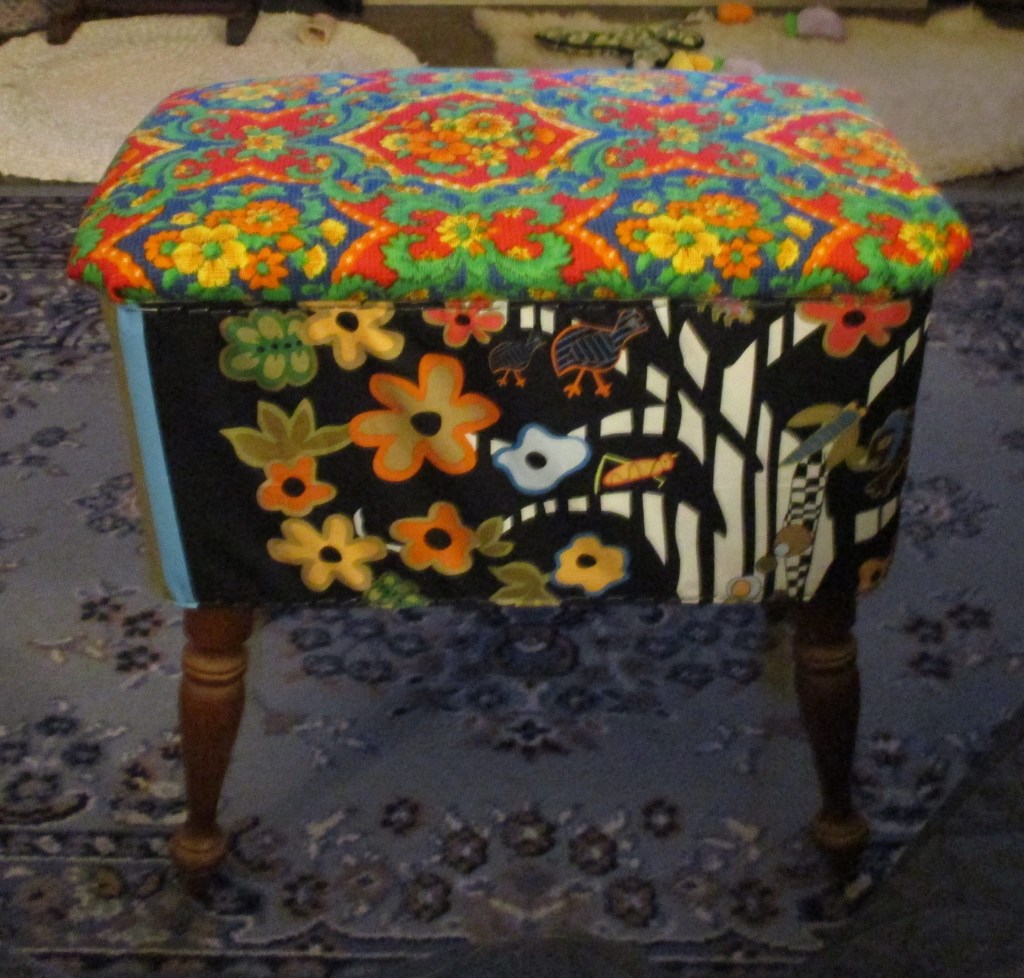
I used the original fiberboard material that the lid is made of because after some research I was comfortable knowing that it’s wasn’t asbestos. I also reused all of the hardware, legs, and original label. I discarded the cloth covered asbestos paperboard sides and made double-sided fabric sides.

_________________________________________________________________________

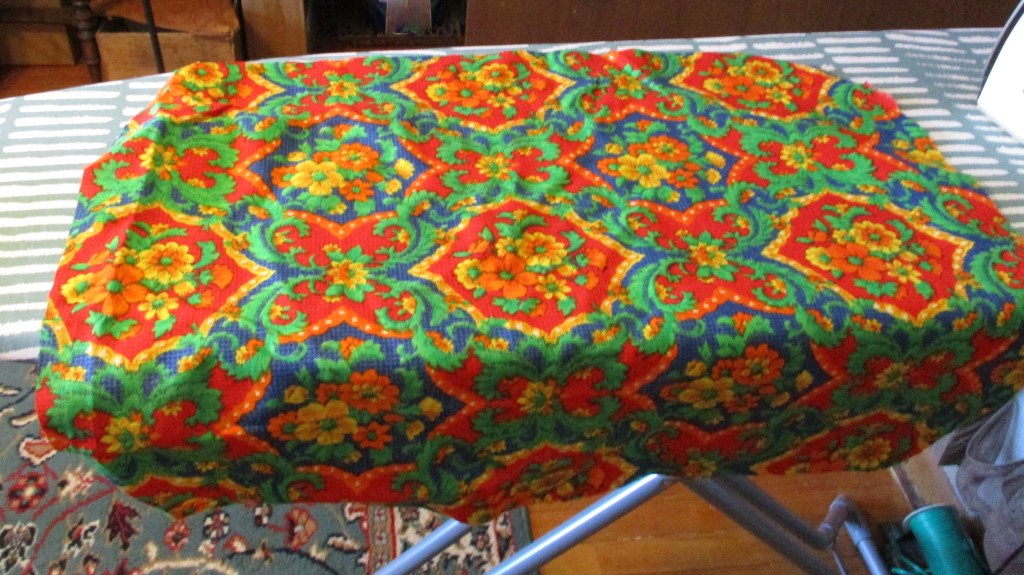
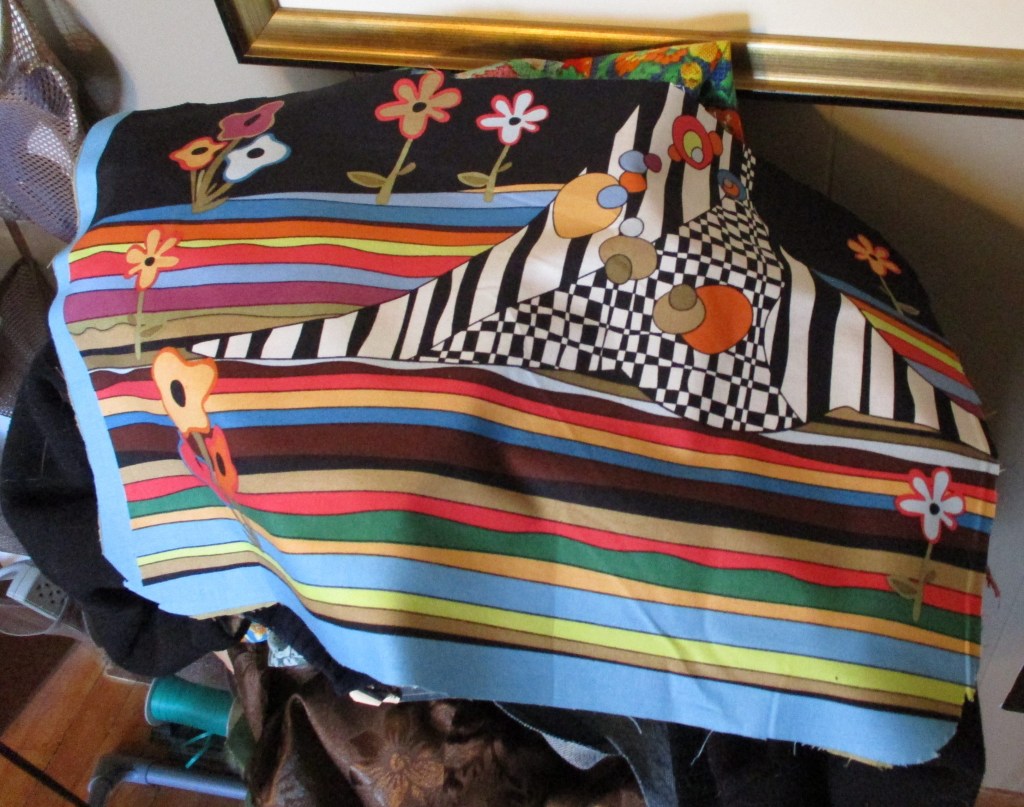
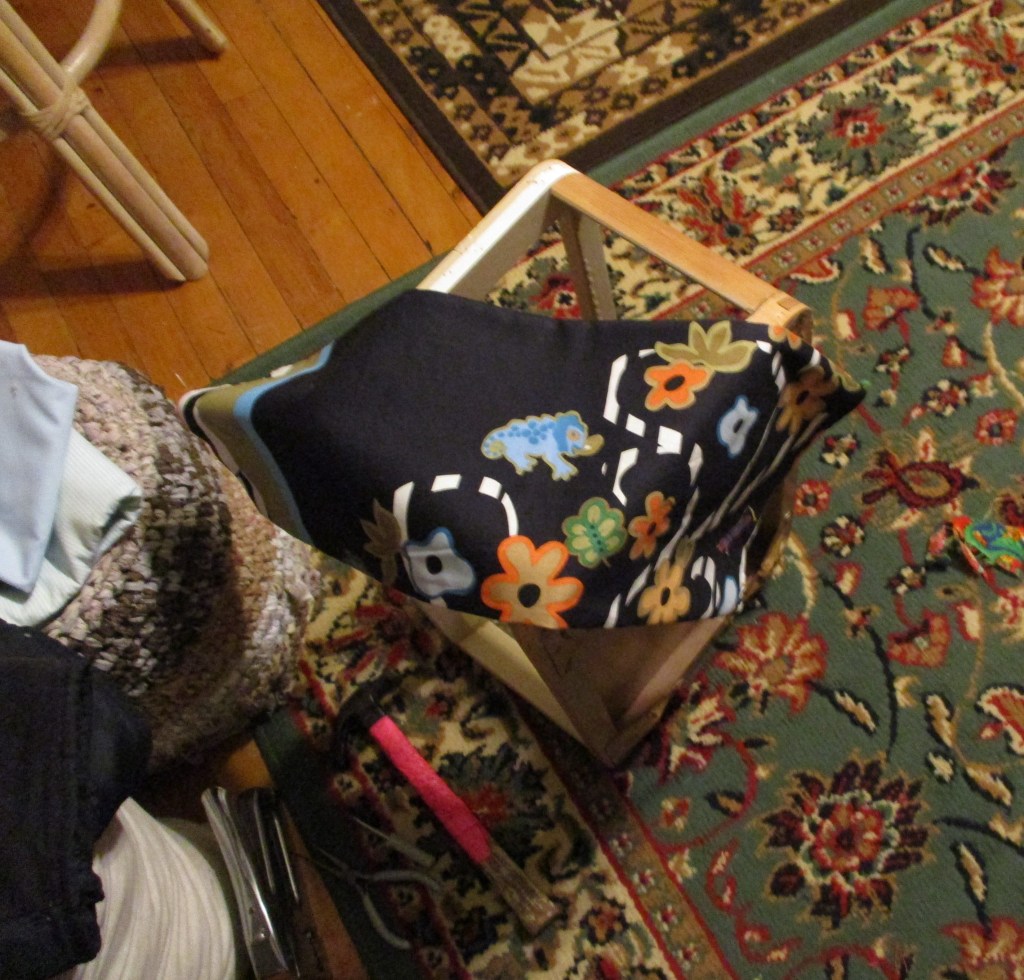
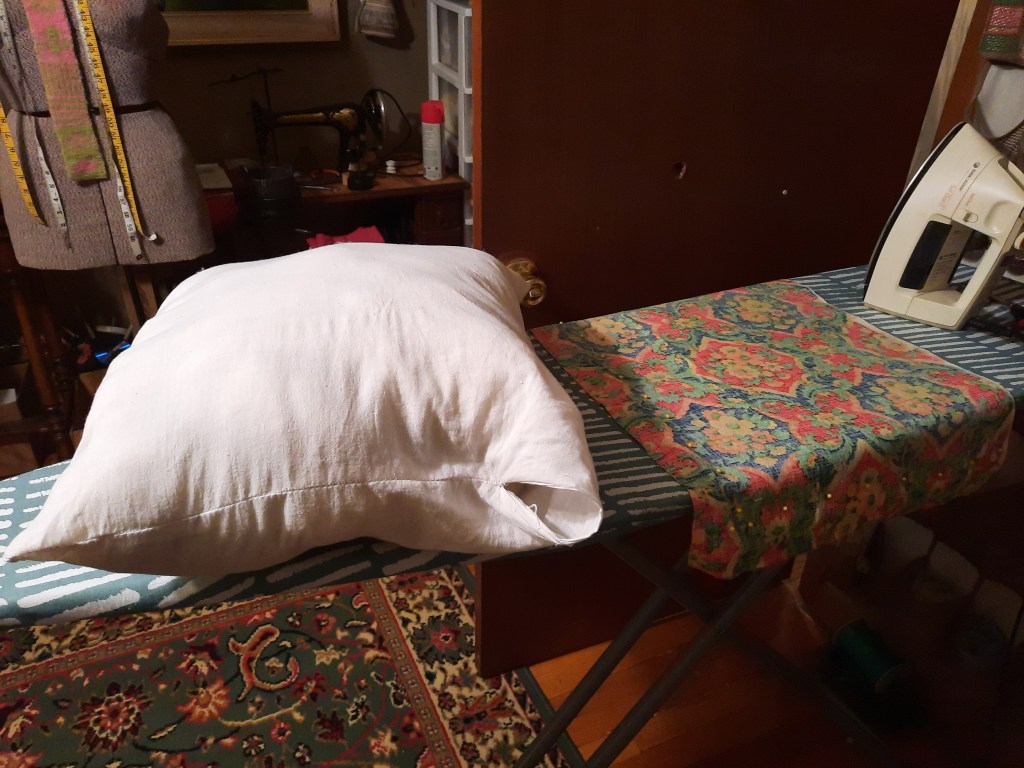
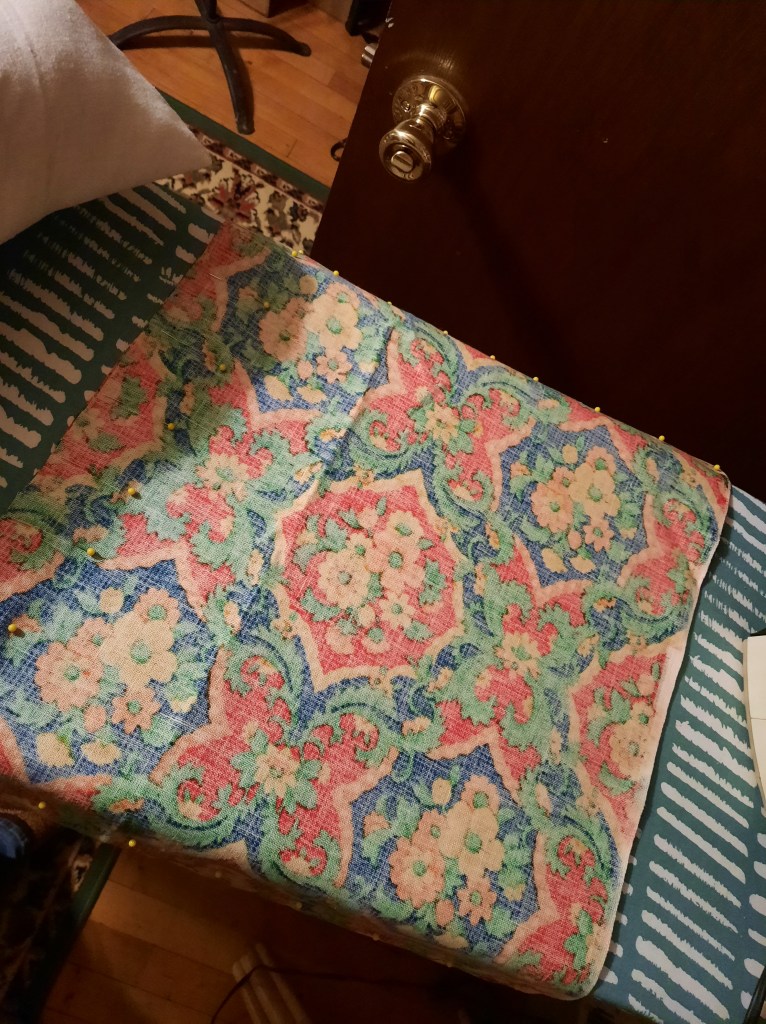
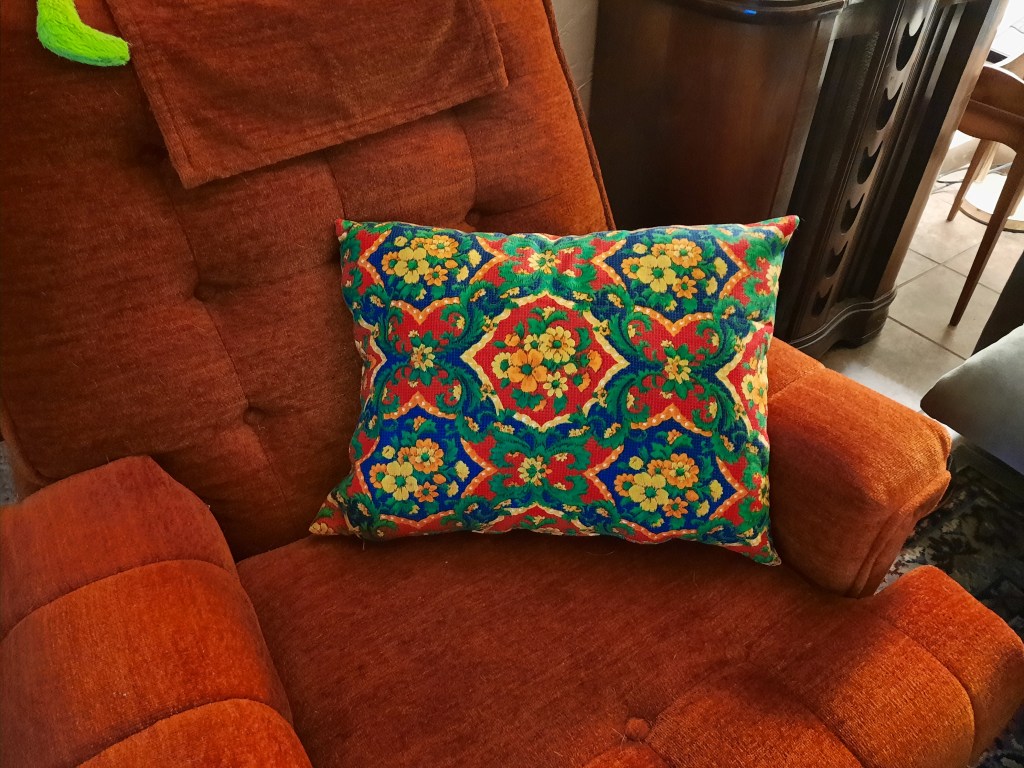
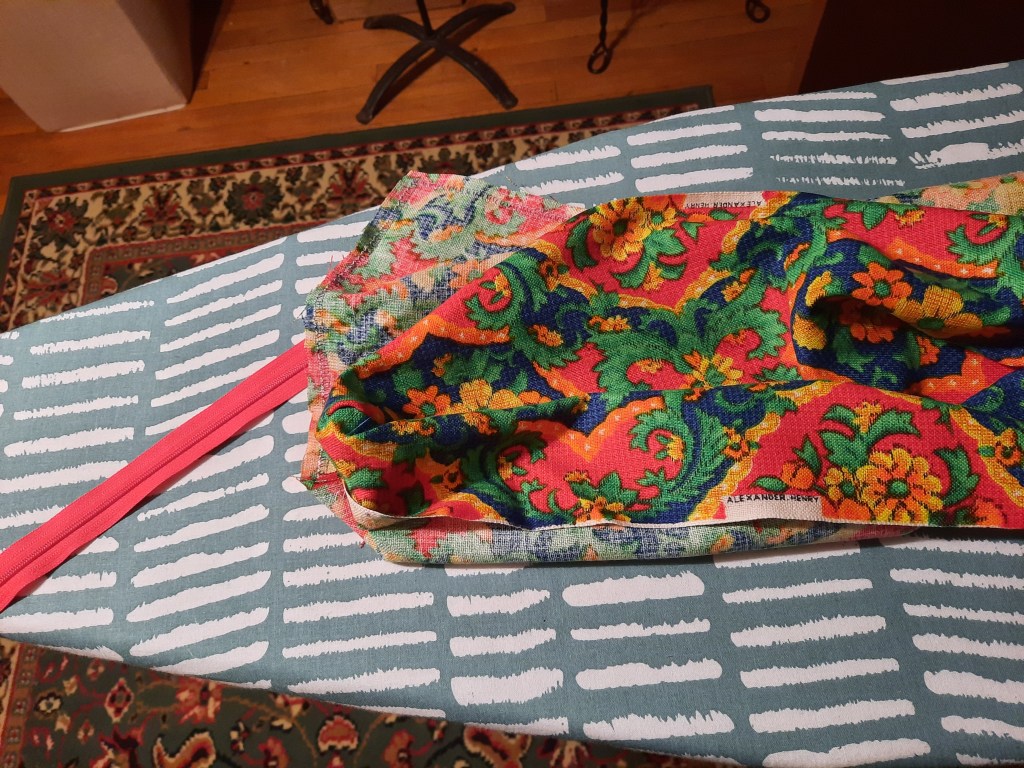
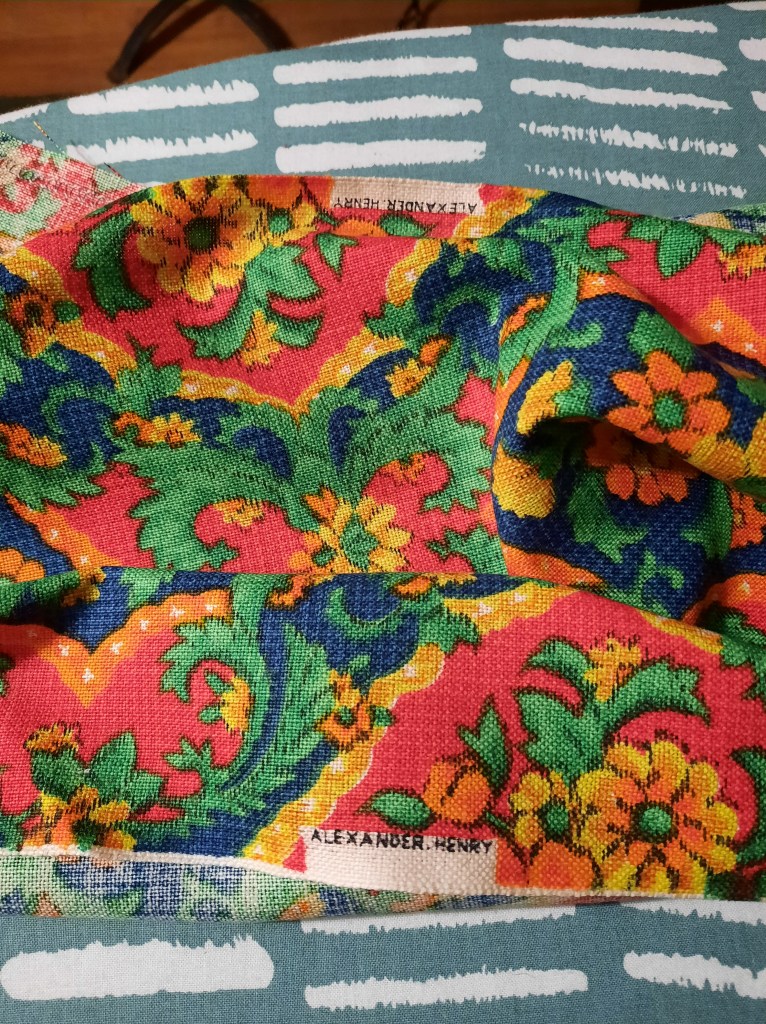
I used all new fabric for the entire restoration, including the same vintage Alexander Henry fabric that I used to make a handsewn pillow cover for a new, handsewn pillow I made back in August of 2022. **See the bottom of the post for the creation photos of the pillow. The fabric for the front and back sides is called “Hot Flash” and is fairly modern.

_________________________________________________________________________

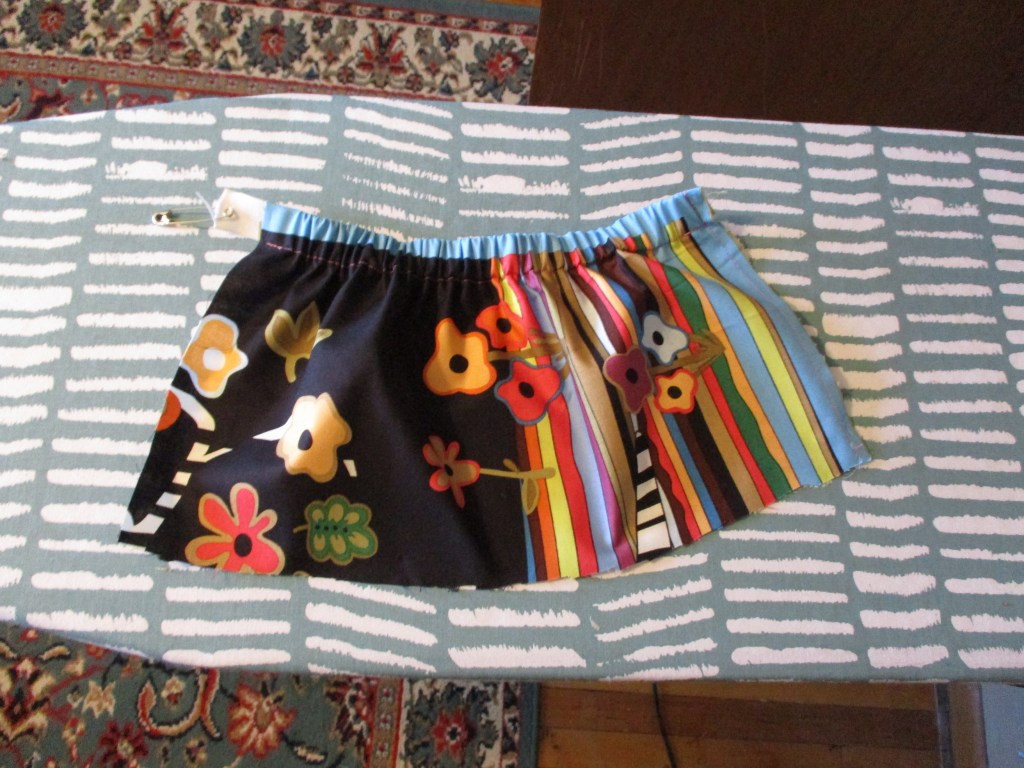
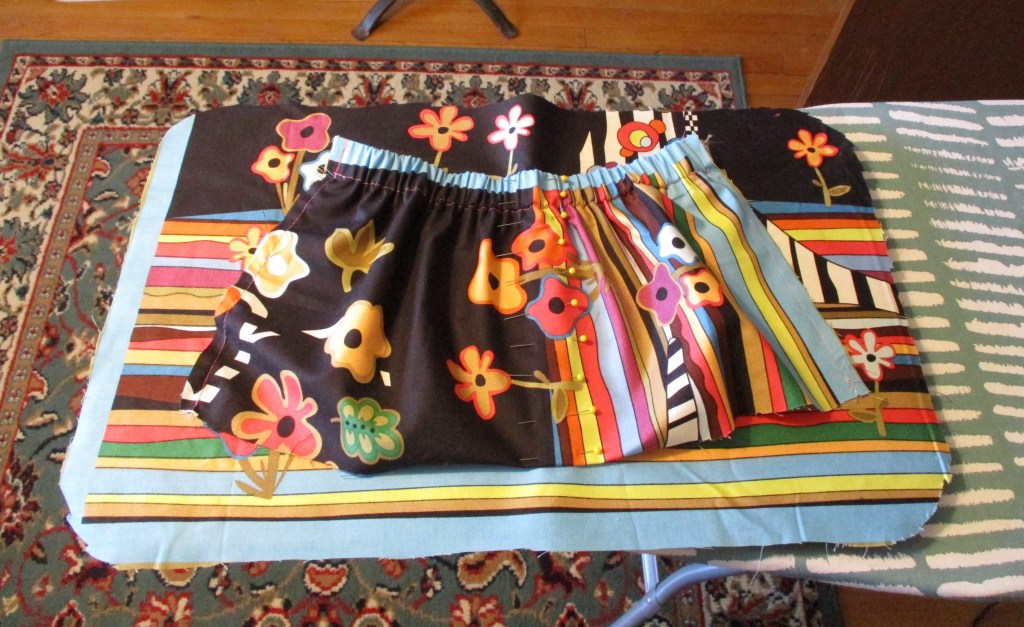
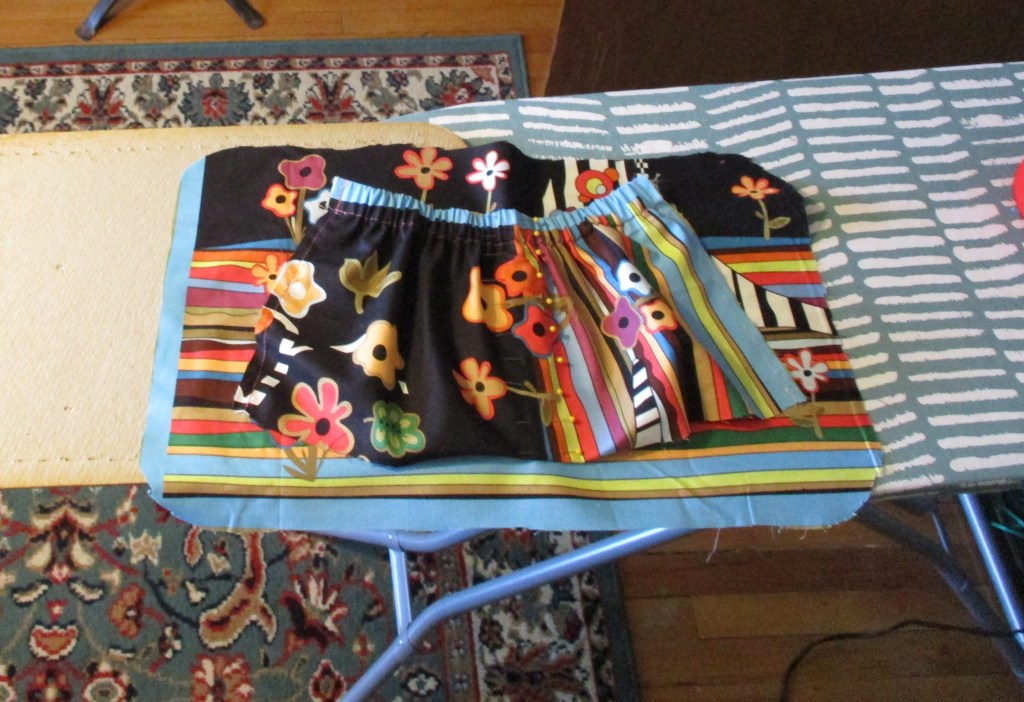
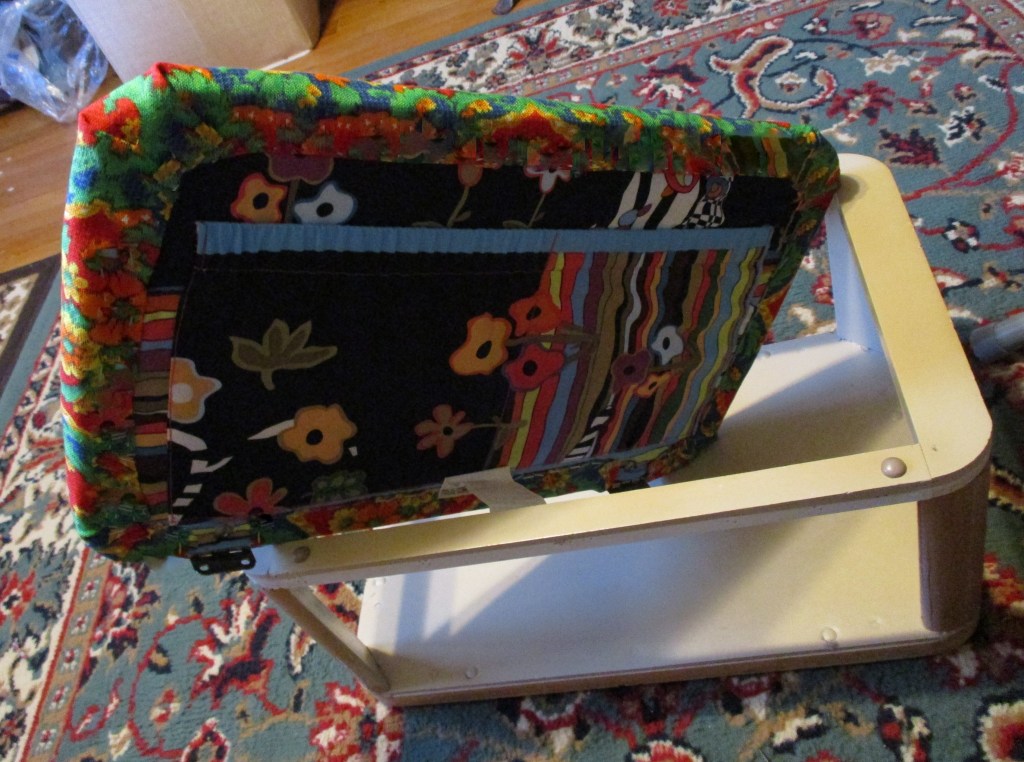
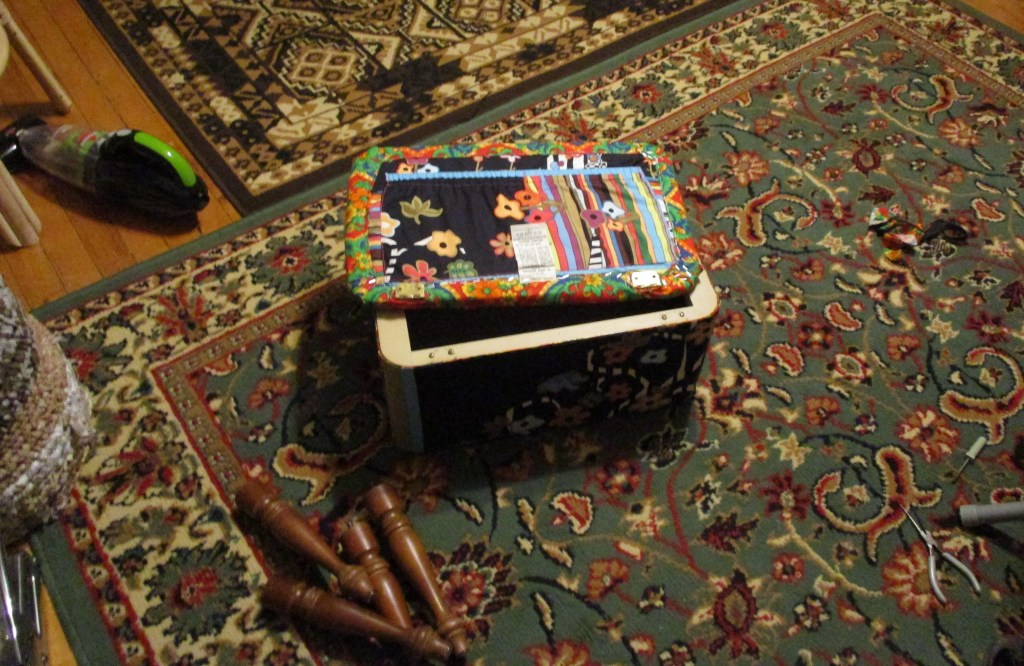
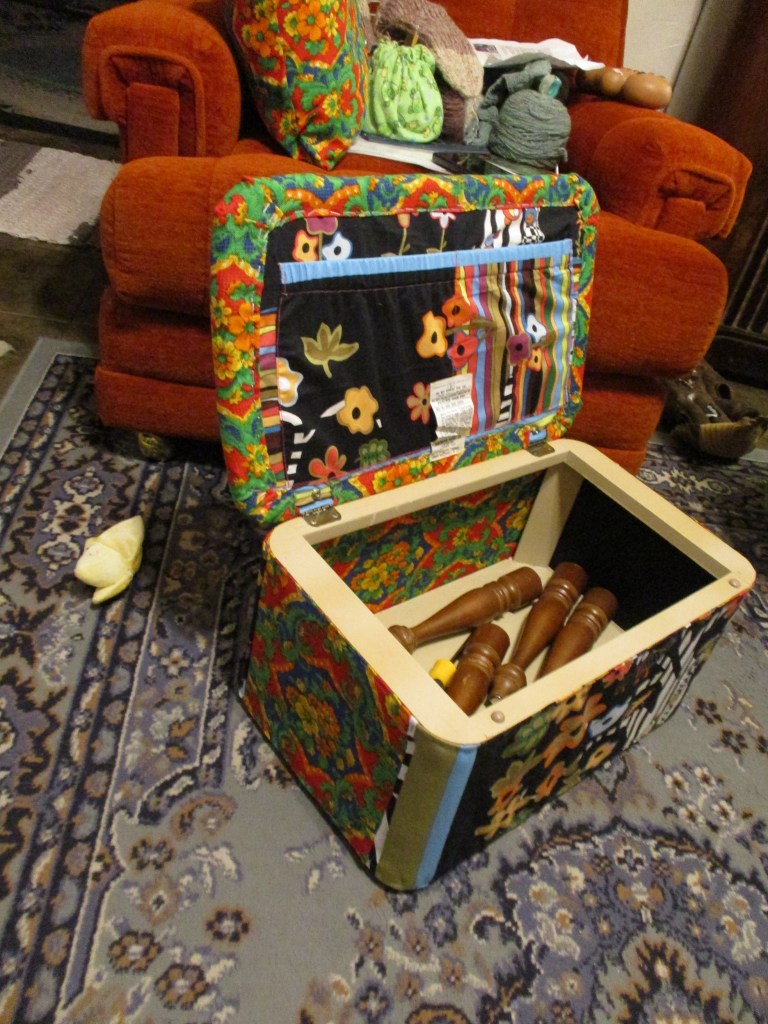
The lid was a bit challenging with the recreation of the elastic storage pockets on the inside of the lid.

_________________________________________________________________________

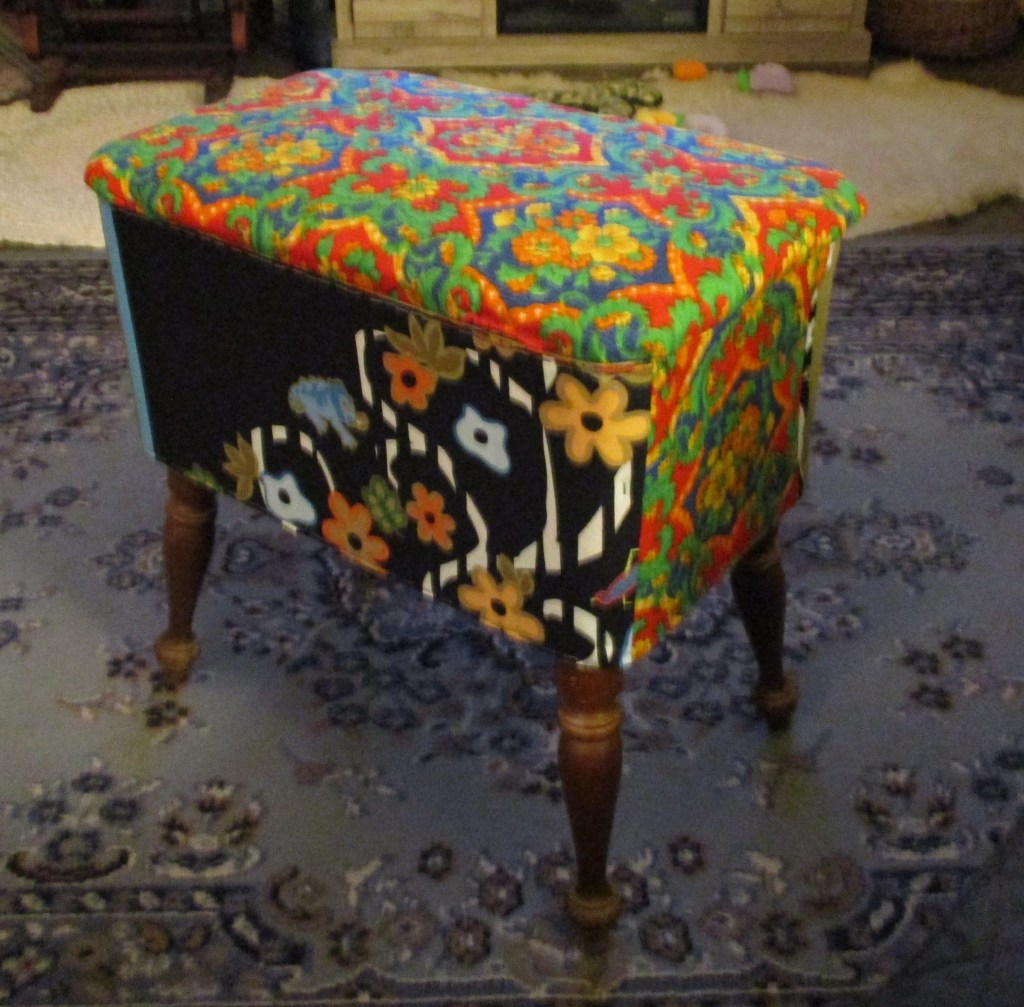
The sides were sewn together and attached around the frame. I also re-attached the original label to the lid as a reminder that we shouldn’t throw out that which can be restored and/or reupholstered!

_________________________________________________________________________

I brought it downstairs for finishing and I wanted to watch the second half of the Super Bowl! The lid was reattached to the basket base with the original hinges and screws and yes, a bit of wood glue was involved because the wood under the left hinge was cracked (which is typical for a lot of these old pieces). I watched some of the game while the glue dried.

_________________________________________________________________________

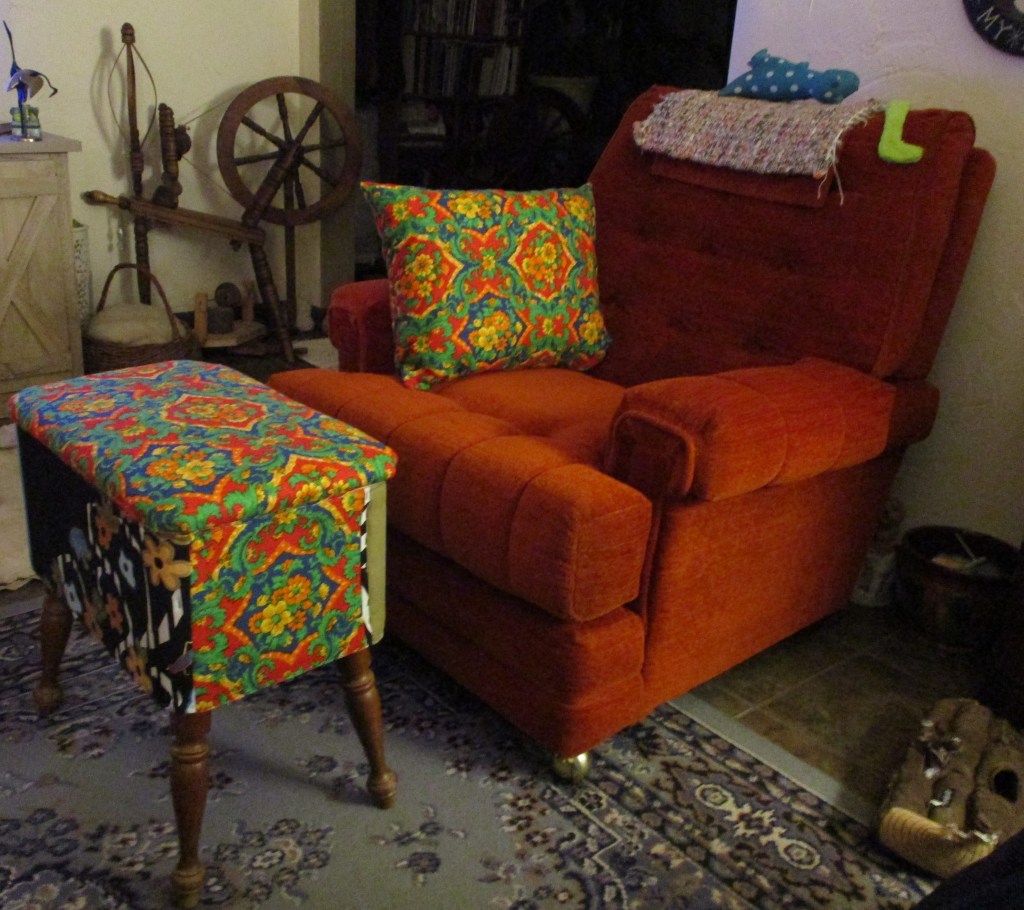
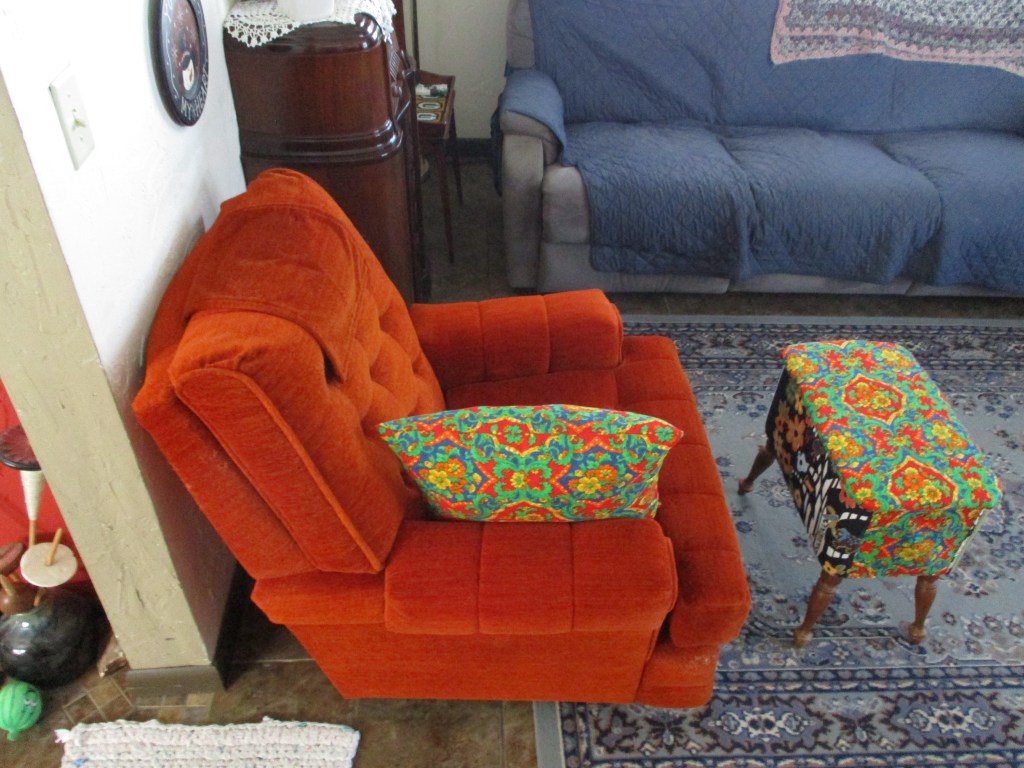
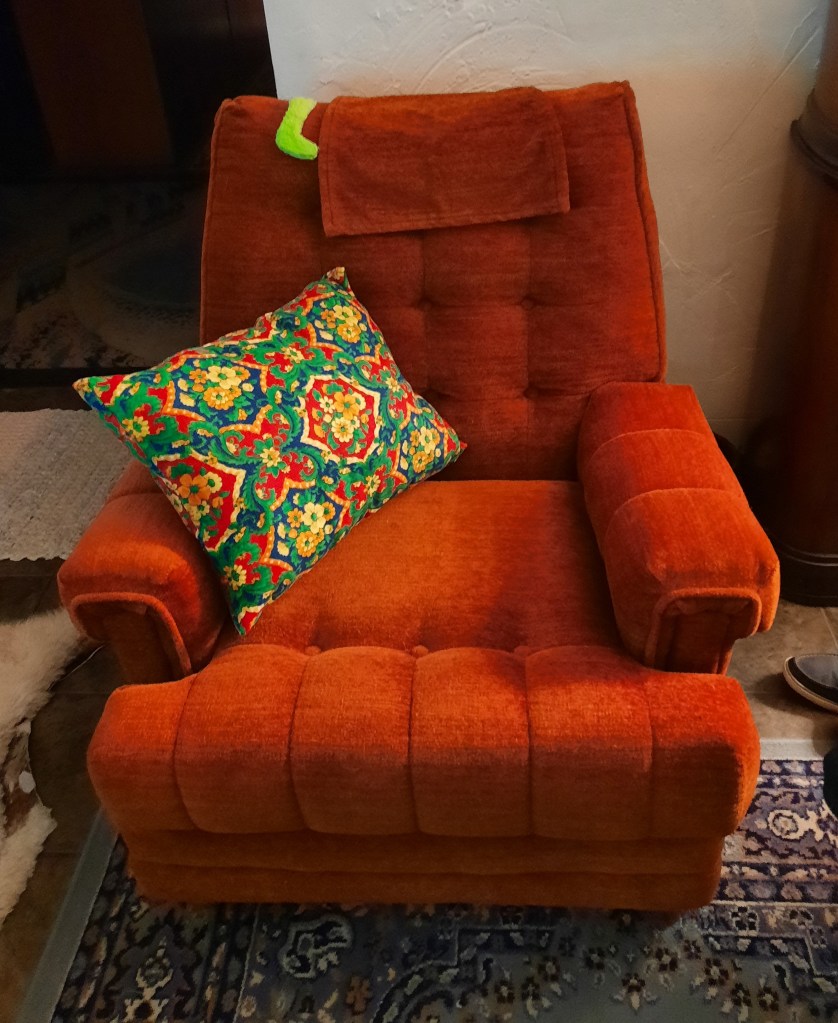
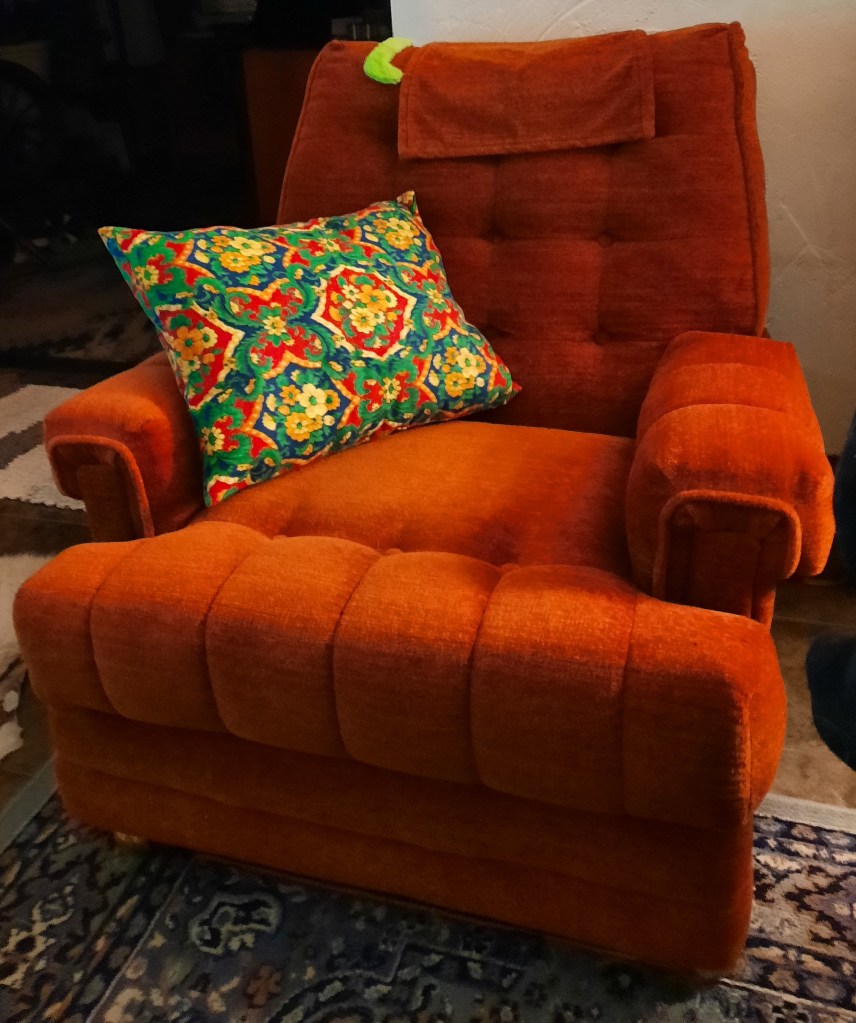
I attached the legs after the glue was dry and placed it by my favorite 1950’s chair with the pillow I made featuring the first use of the Alexander Henry fabric.

_________________________________________________________________________

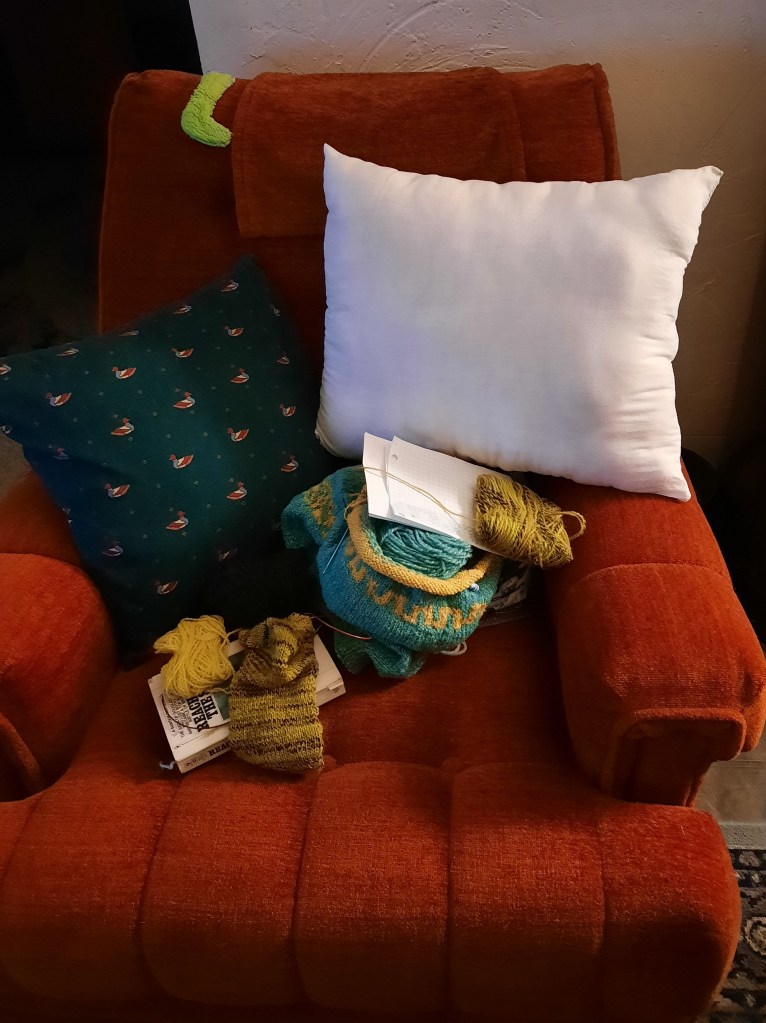
Here are the photos of the pillow project!

What are you waiting for?? Get busy and create something!!!
I Love Carding and Creating Art Batts to Spin Into Luscious Yarn!!
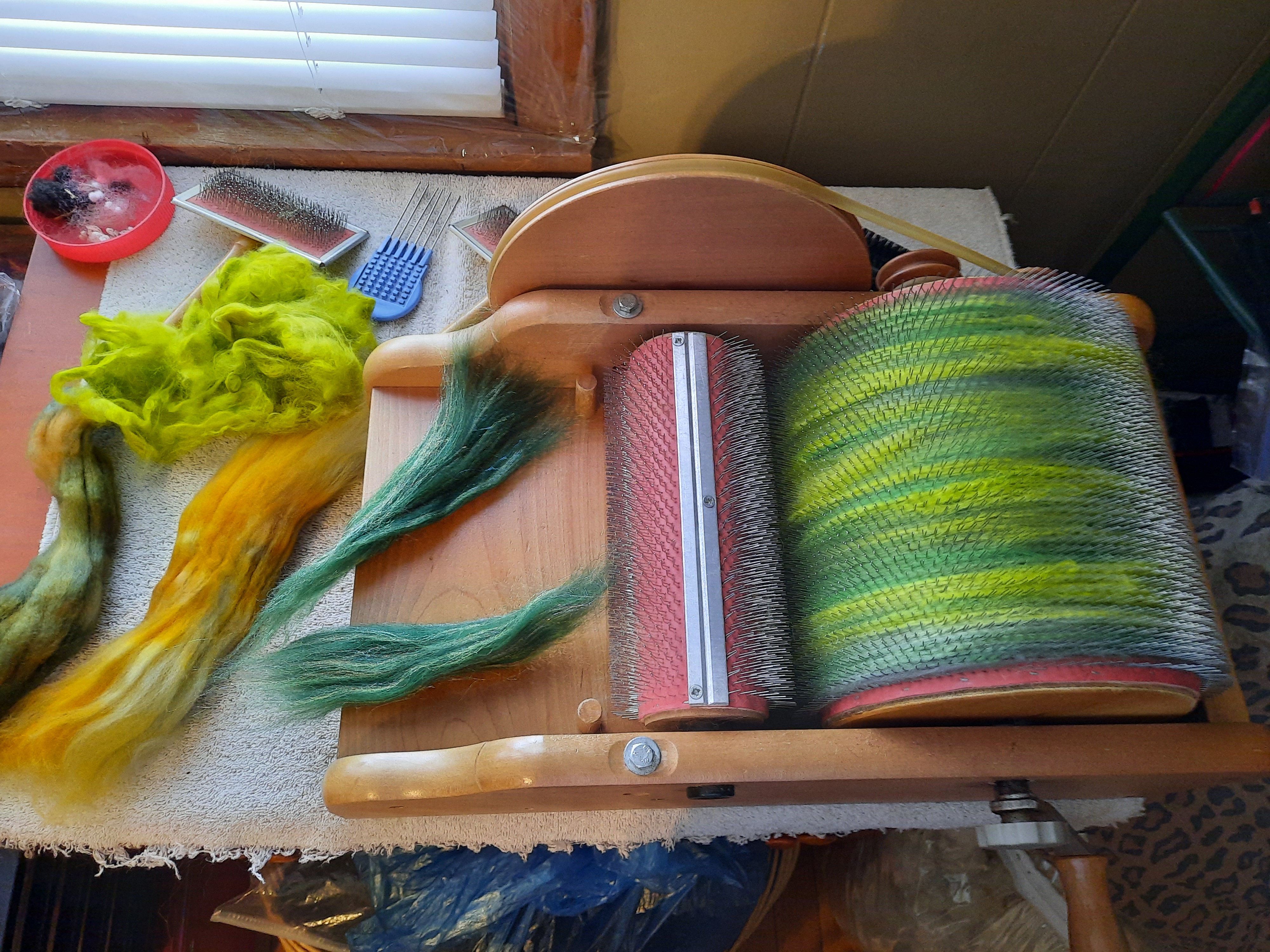
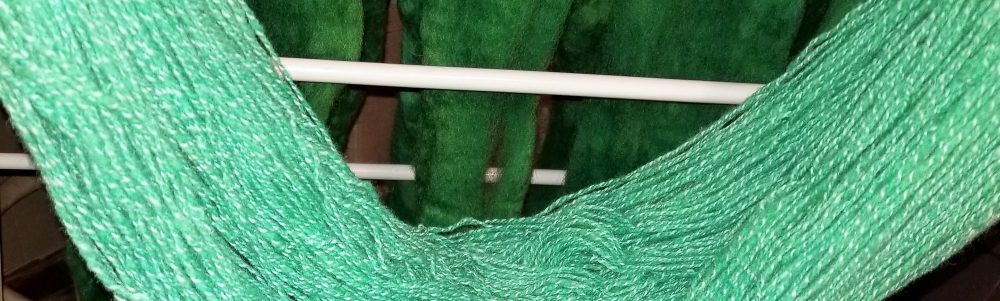
Today was one of those damp dreary days without color. It’s on these days that I create my own colors and blends. I wanted to dye fiber,but I also wanted to be working in my studio. I love how these turned out and can’t wait to spin them into yarn!!
Red, Pink, and Burgundy batts waiting for their turn to be spun.
The Art Batts Being Spun
Green, Gold, and Other Sparkling Fibers Ready for Carding
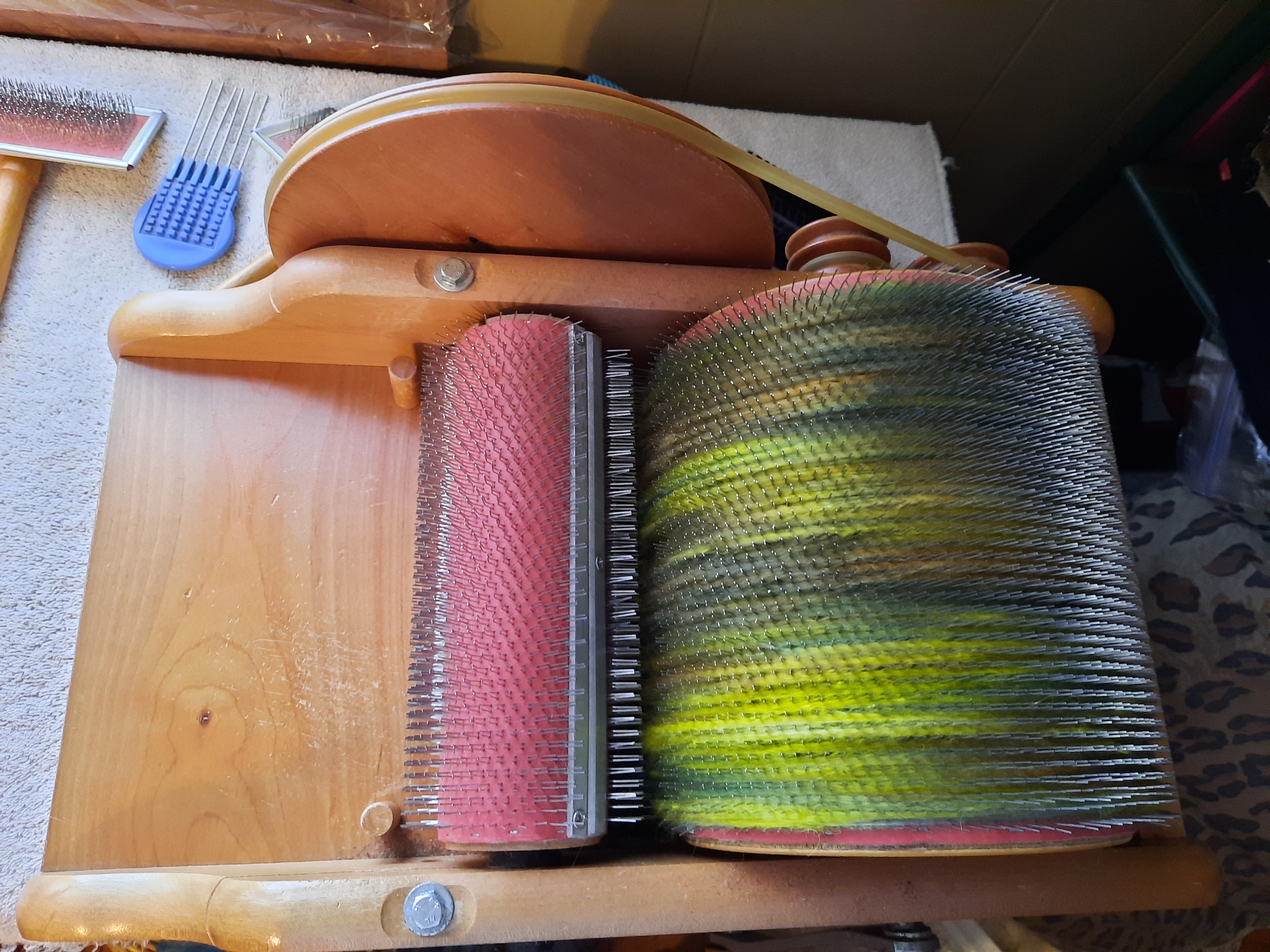
The Carding Process 1
The Carding Process 2
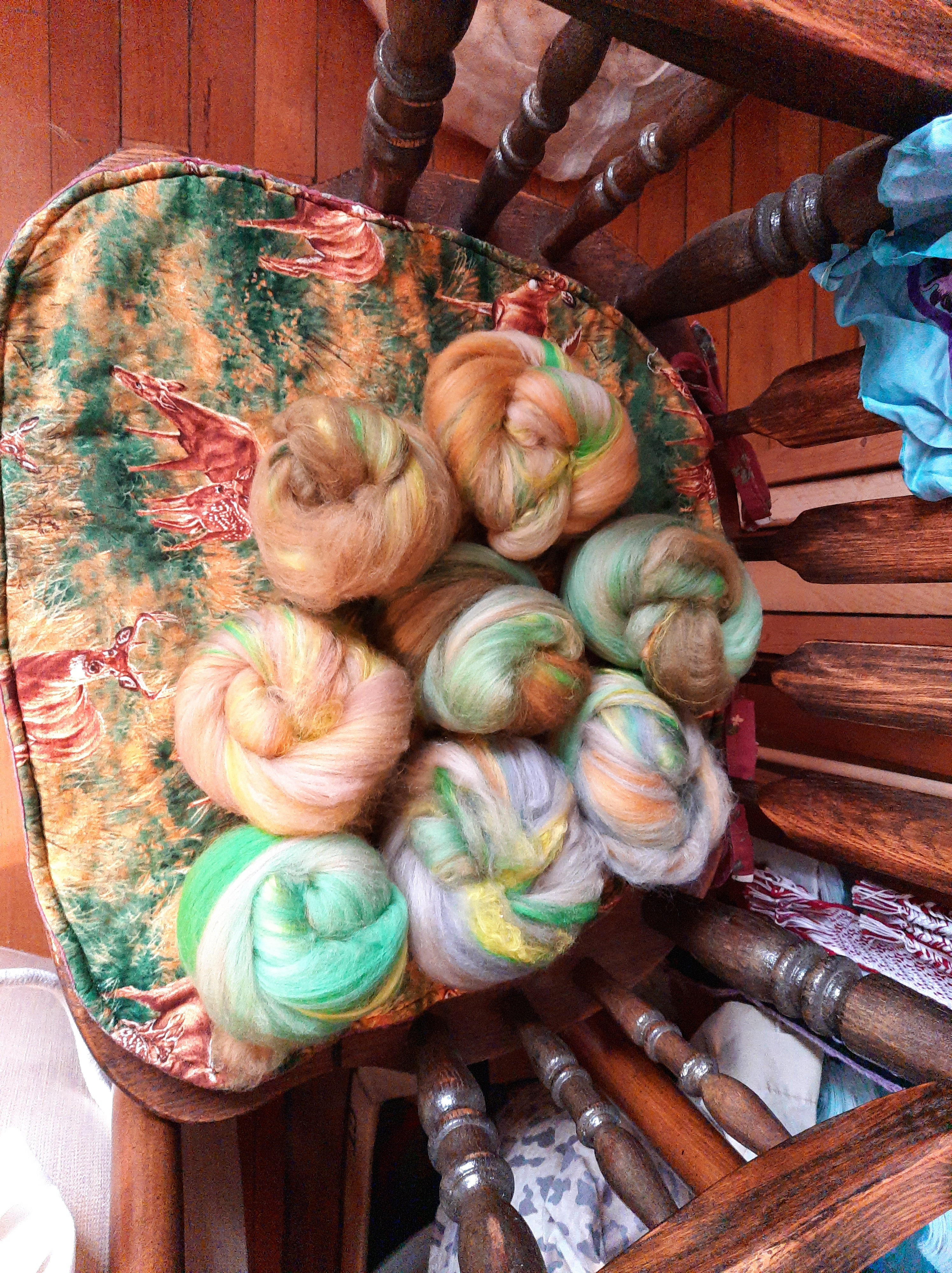
Ready to Doff and Twist Into Loose Knots
Doffing in Progress
Eight Batt Knots Ready to Spin!!

What are you making/ creating??

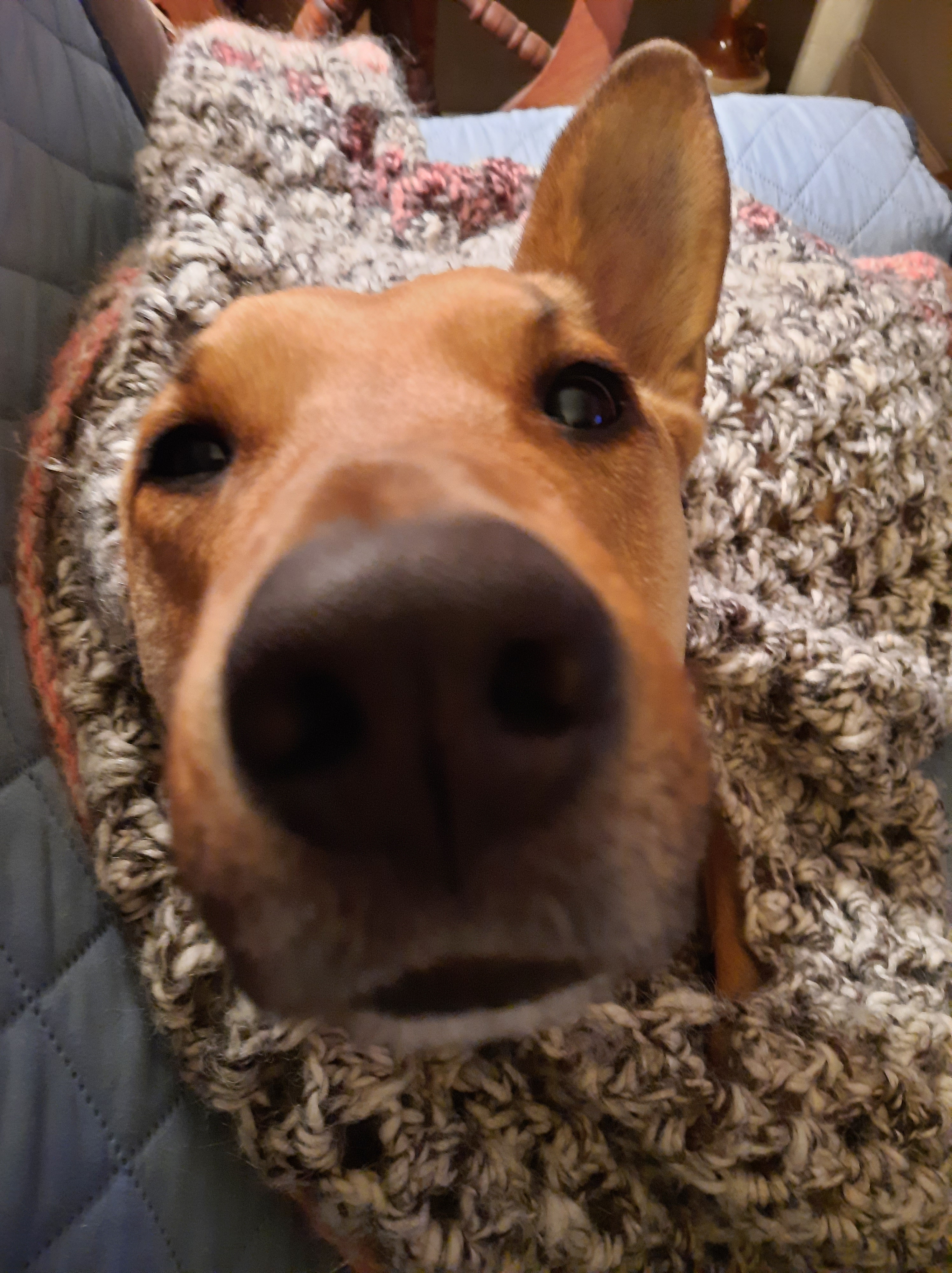
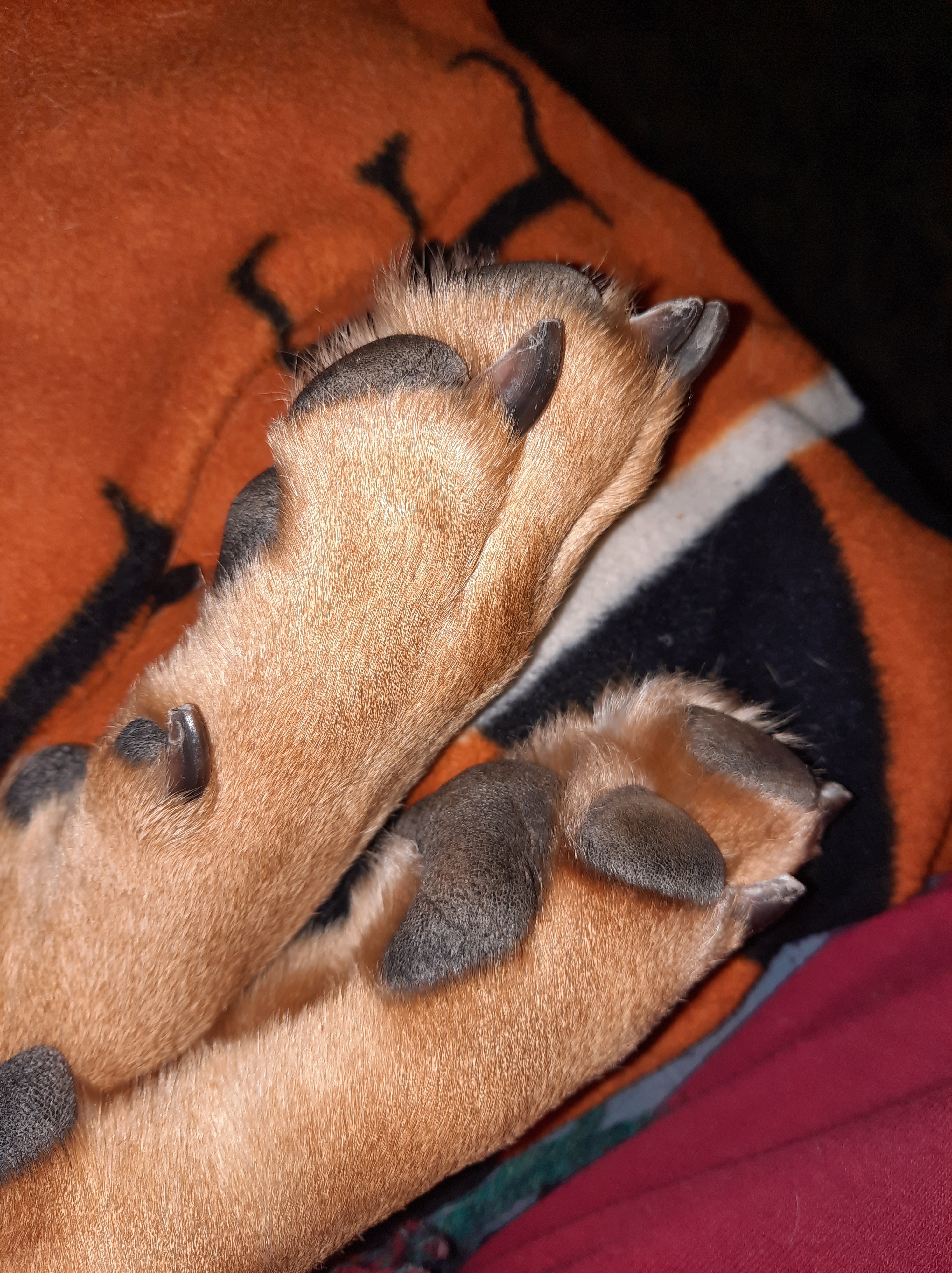
For those who don’t follow me on Instagram or Twitter, here’s a photo of my beautiful dog.

Beautiful Dog Nose!

Happy Soctober – Part II

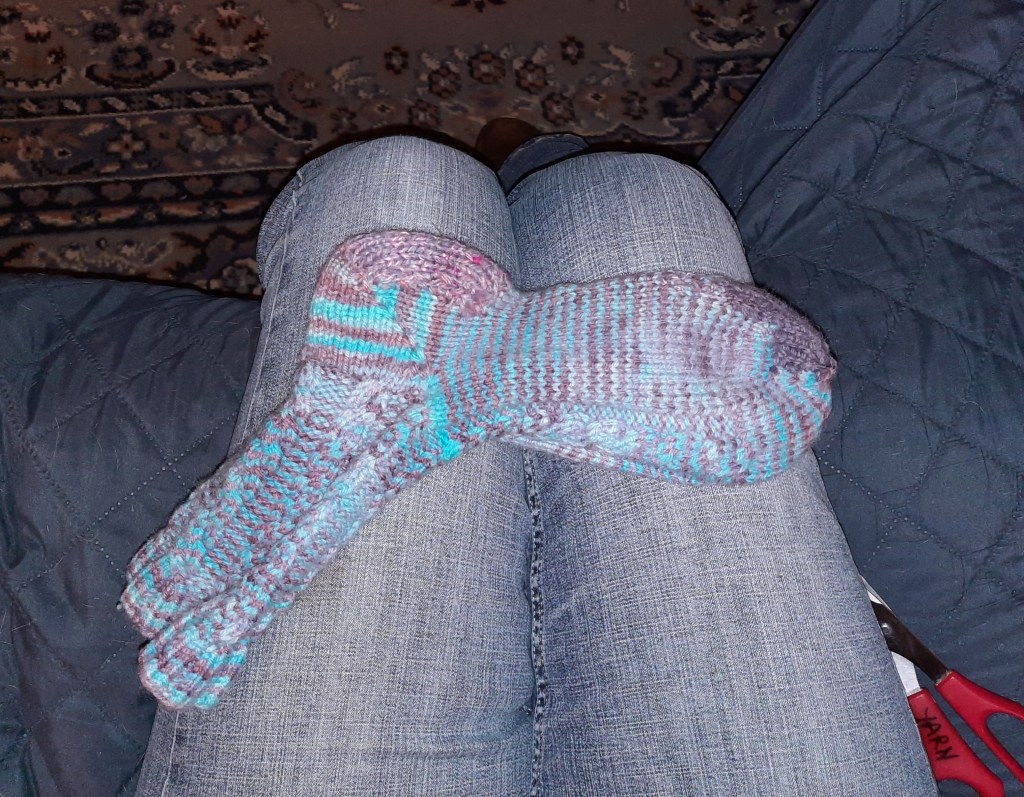
I like educating people about how many pairs of socks they should own. Sometimes we have one pair we love so much that we wear them out in a very short amount of time. The fact is you should have at least 10 pairs of socks, for every season, regardless of your preferred fiber. Natural fiber socks are best but there are a lot of people who are allergic to them and need to wear synthetic fibers such as acrylic.

Some people don’t know the difference between wool and acrylic or cotton and acrylic. Some believe the socks they’re wearing are acrylic when they’re actually WOOL. Some think they’re allergic to wool and have never worn wool in their lives. Some are allergic to cotton and linen but can wear every synthetic fiber made. Regardless of fiber allergies or preferences, handknit socks are best.

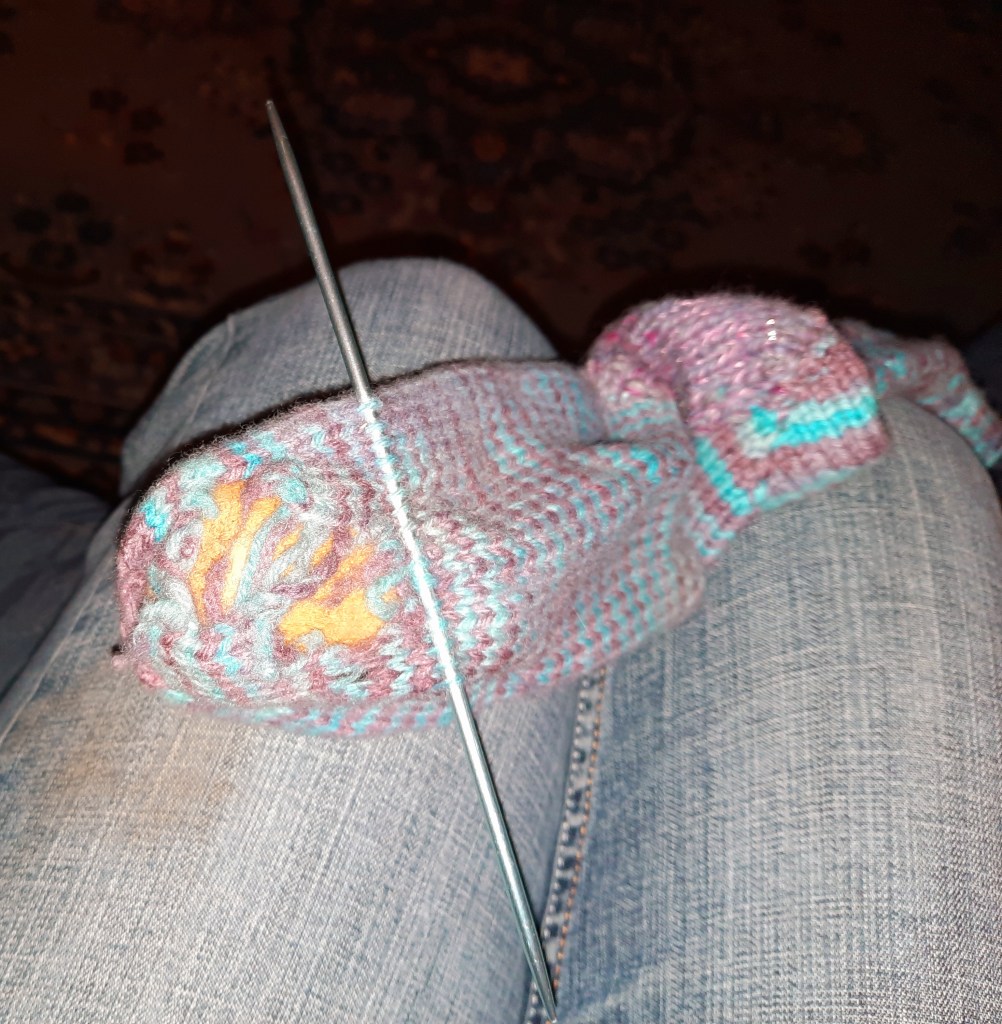
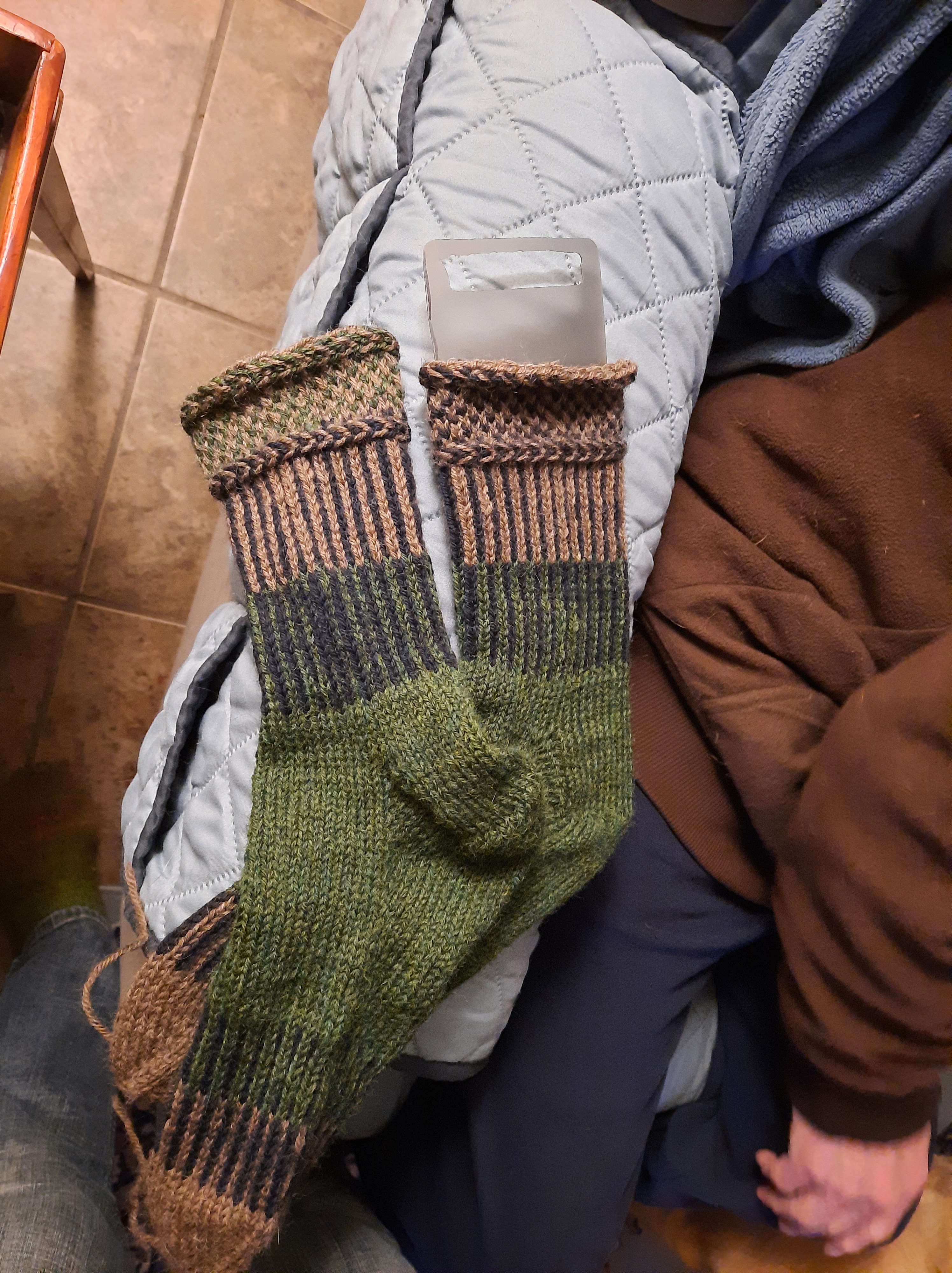
Whichever type of socks you prefer, the ones you wear the most will eventually wear out! The most common place for handknit socks to wear out is the heel, followed by the ball of the foot. The most common place for mass manufactured socks to wear out is at the toe, followed by the heel. Either way, if you’re trying to save money or just love that pair of socks so much that you can’t bear to part with them, you can always repair them and should repair them.

The two main methods of repairing holey, worn out socks are: Darning, duplicate stitching, and reknitting. I will partially cover darning and reknitting. Darning involves stitching an anchor box around the hole and then weaving from the anchor stitches, over and under, and back and forth, until the hole is filled in and sturdy. I prefer to herringbone weave 2 over and 2 under; and then cross back over to make it all sturdy.

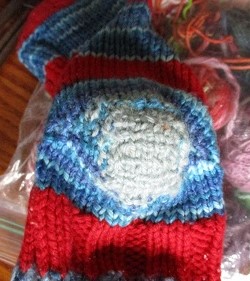
A reknitted heel involves picking up the stitches at the top of the hole and the bottom of the hole, and knitting a heel patch (toe patch, or patch for the ball of the foot) while picking up the old stitches at the sides of the hole, and then using the Kitchener Stitch to graft it all together so it looks nice and neat.

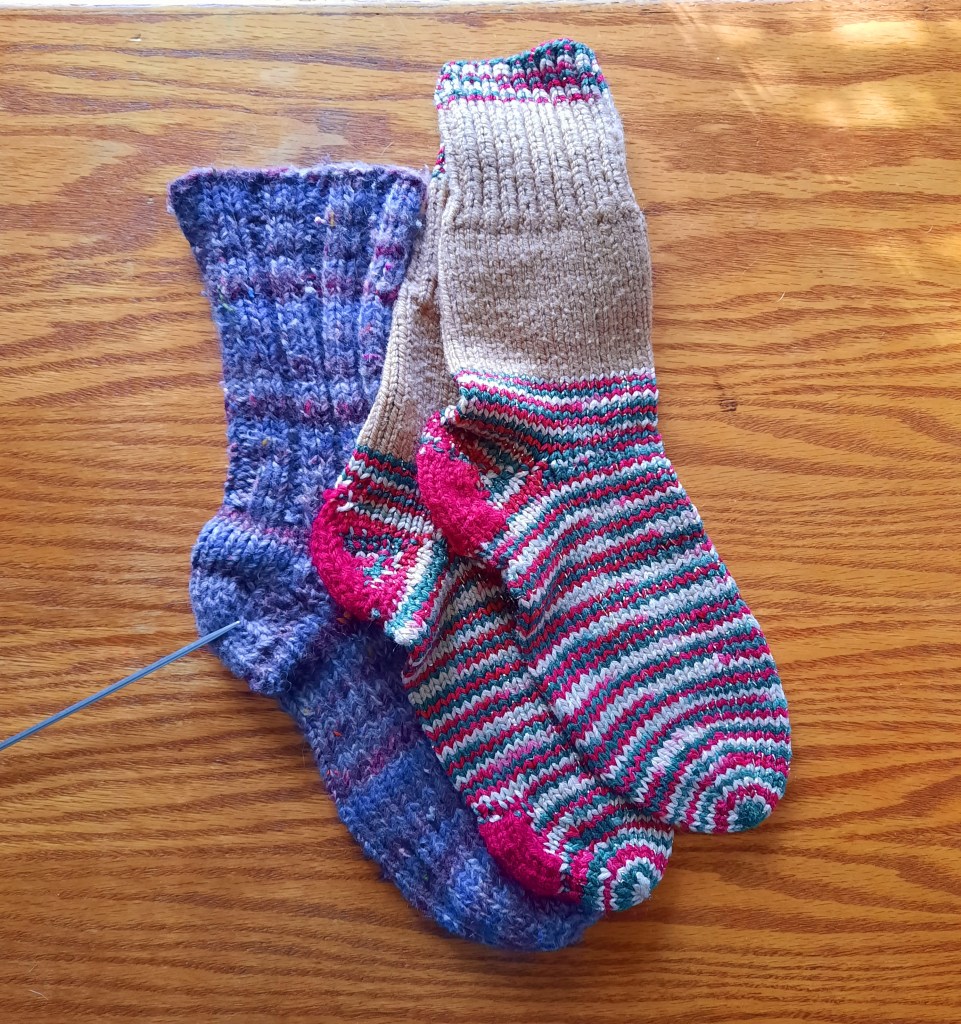
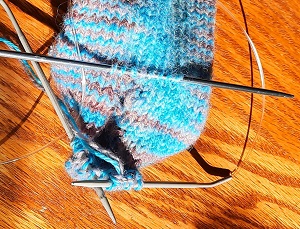
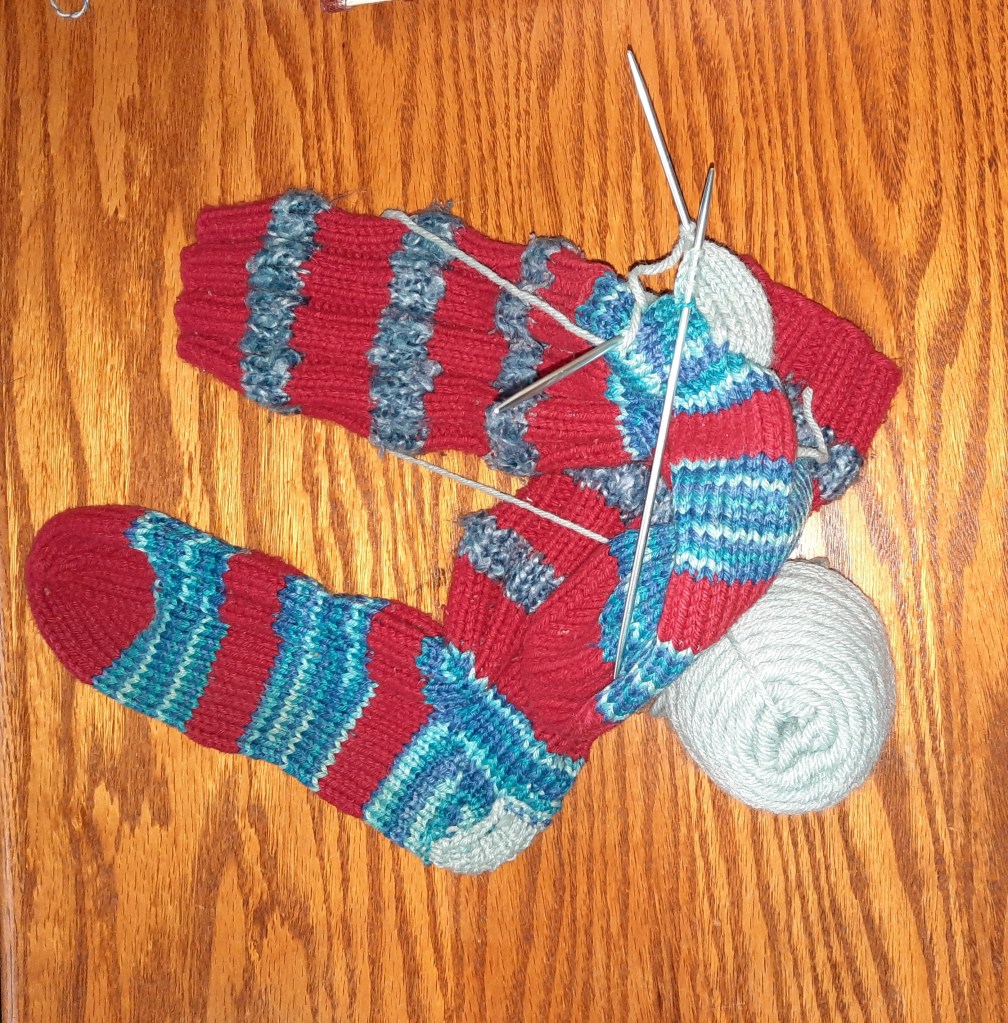
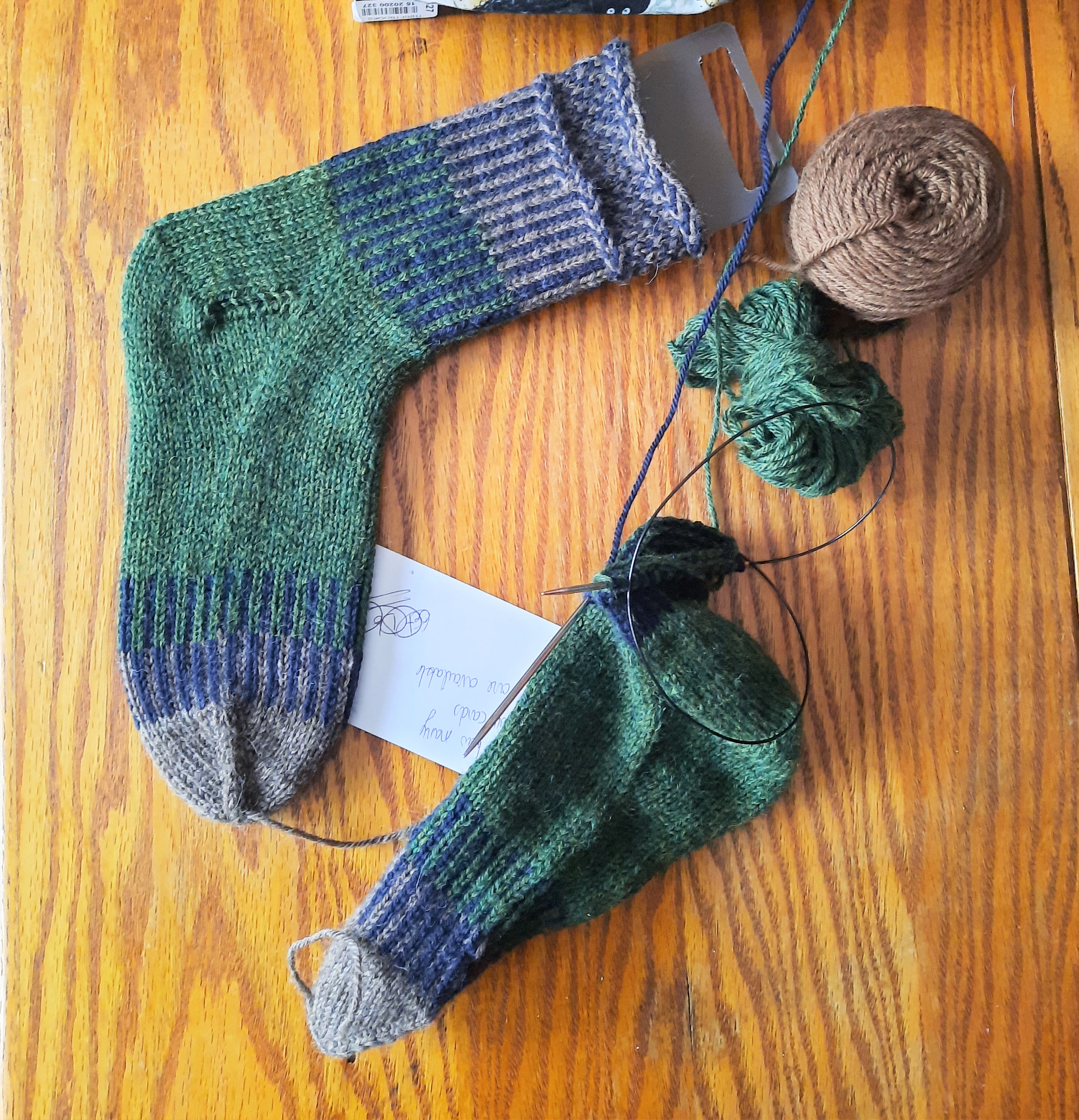
Sometimes, you need to pick up stitches in the middle so you can graft (kitchener stitch) them to the reknit portion during the repair. See the photo below.

Other times, you get very lucky to be able to just grab a few inches of yarn and just sew or weave the hole closed. This works best on holes smaller than a half inch.

There are many different ways to repair your favorite socks. It’s your choice. Do some research. I’ve shared the ones I’m currently working on because I was asked to do so.

*** NOTE: I rarely ever have any of the yarn left over from anything I’ve knit because I tend to use the leftovers in other things after about two years. ***

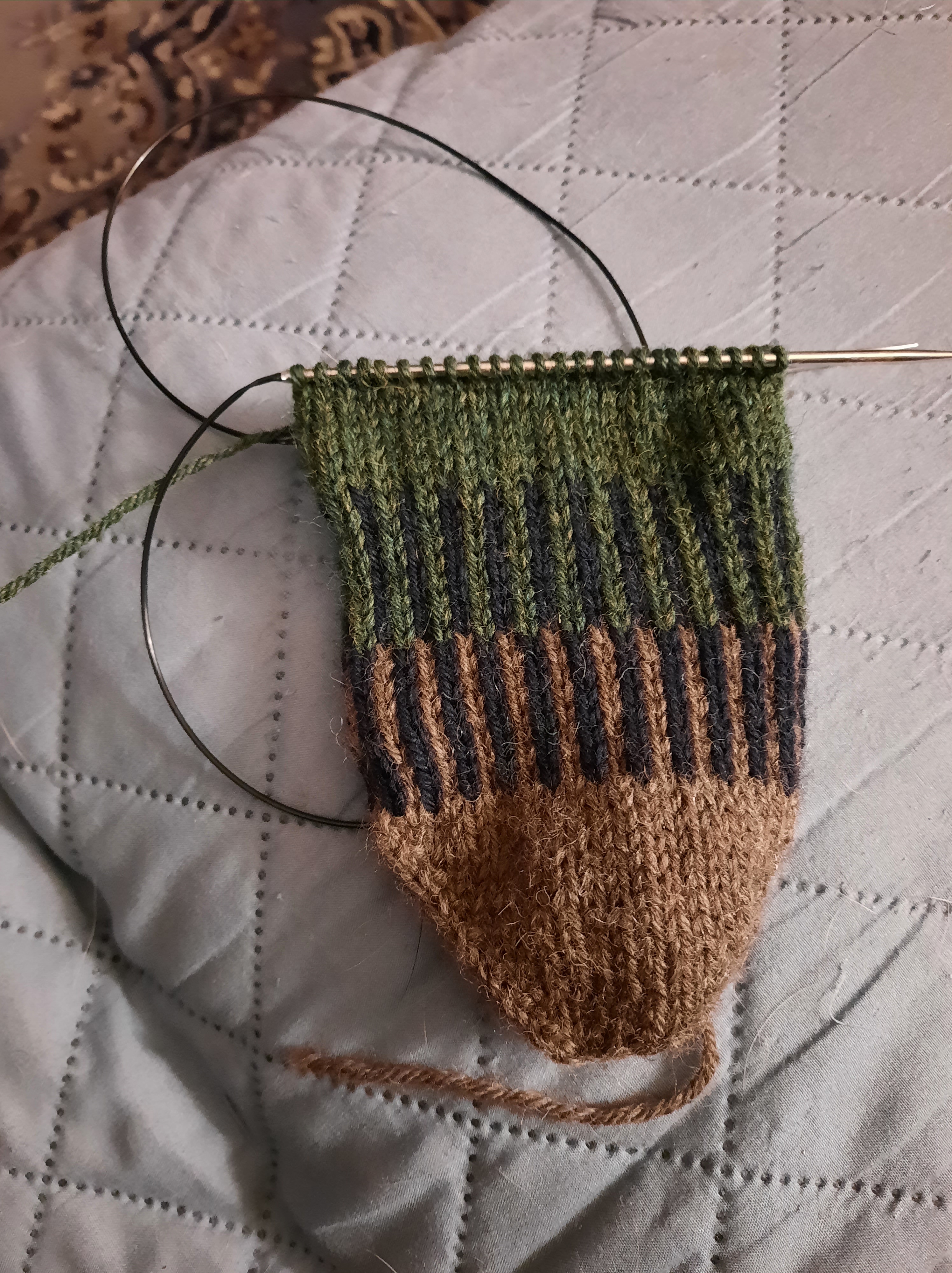
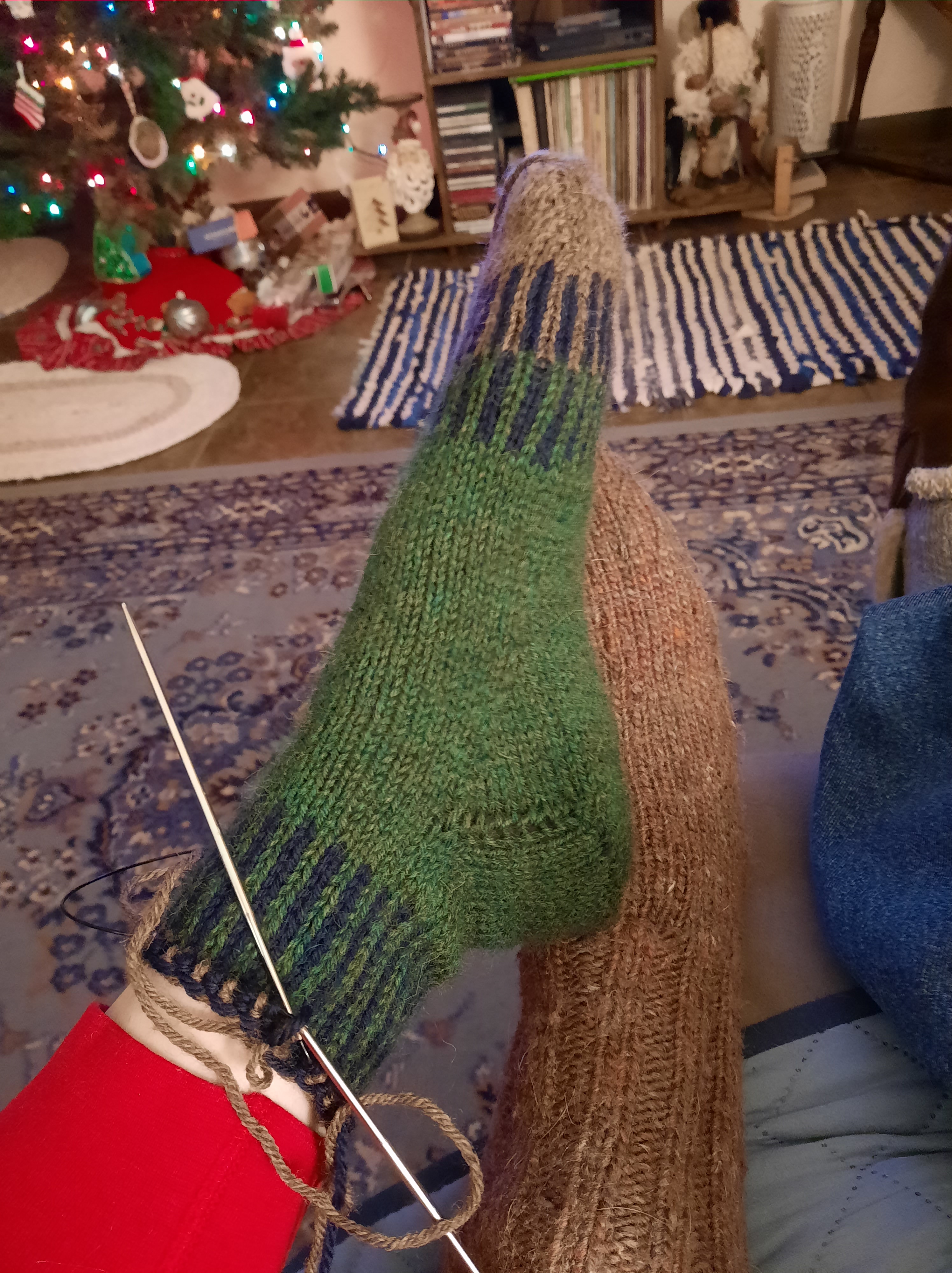
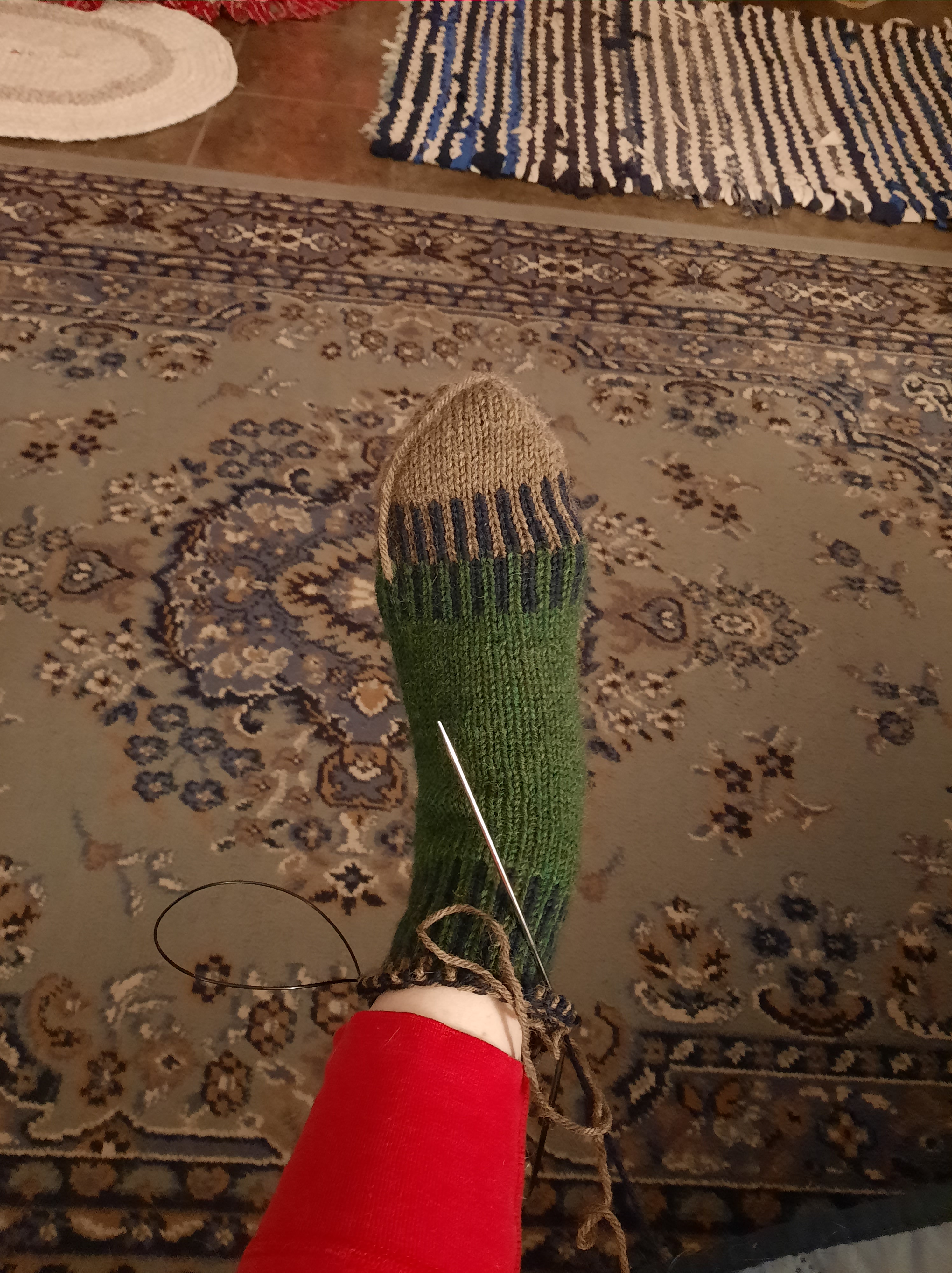
It’s a warm sock kind of day!

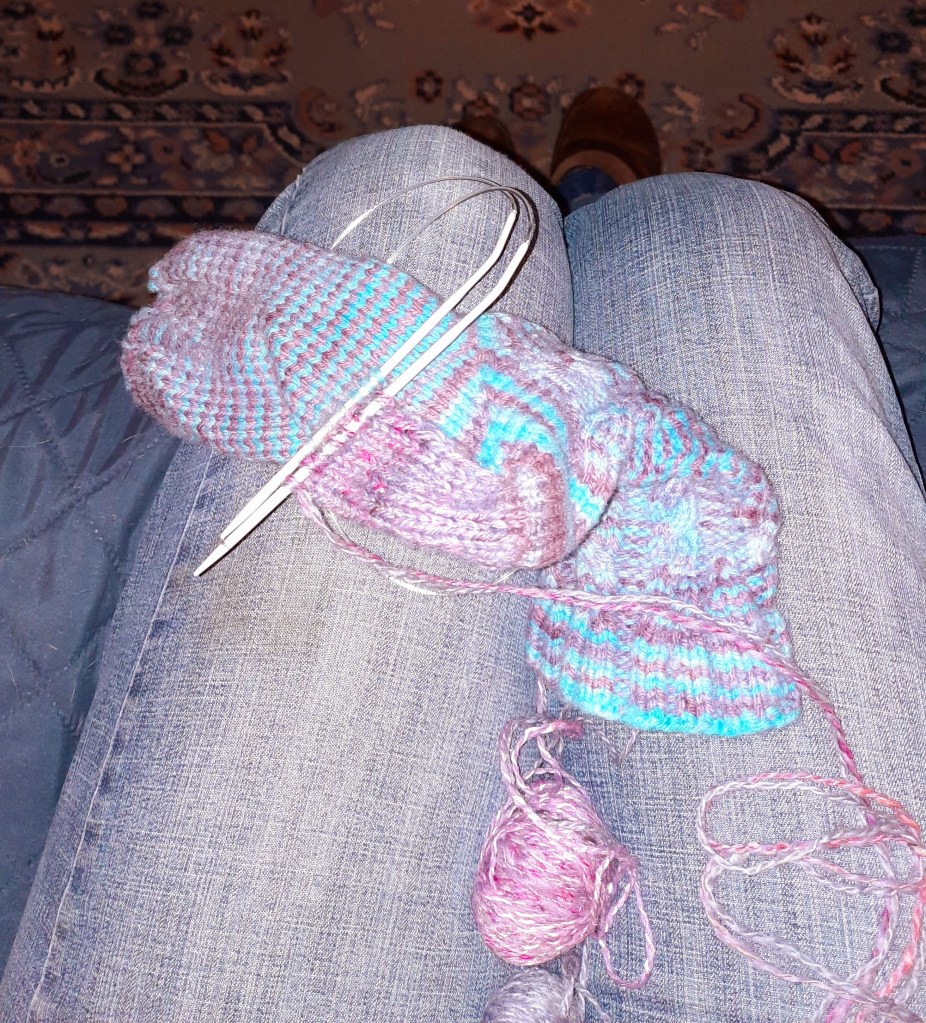
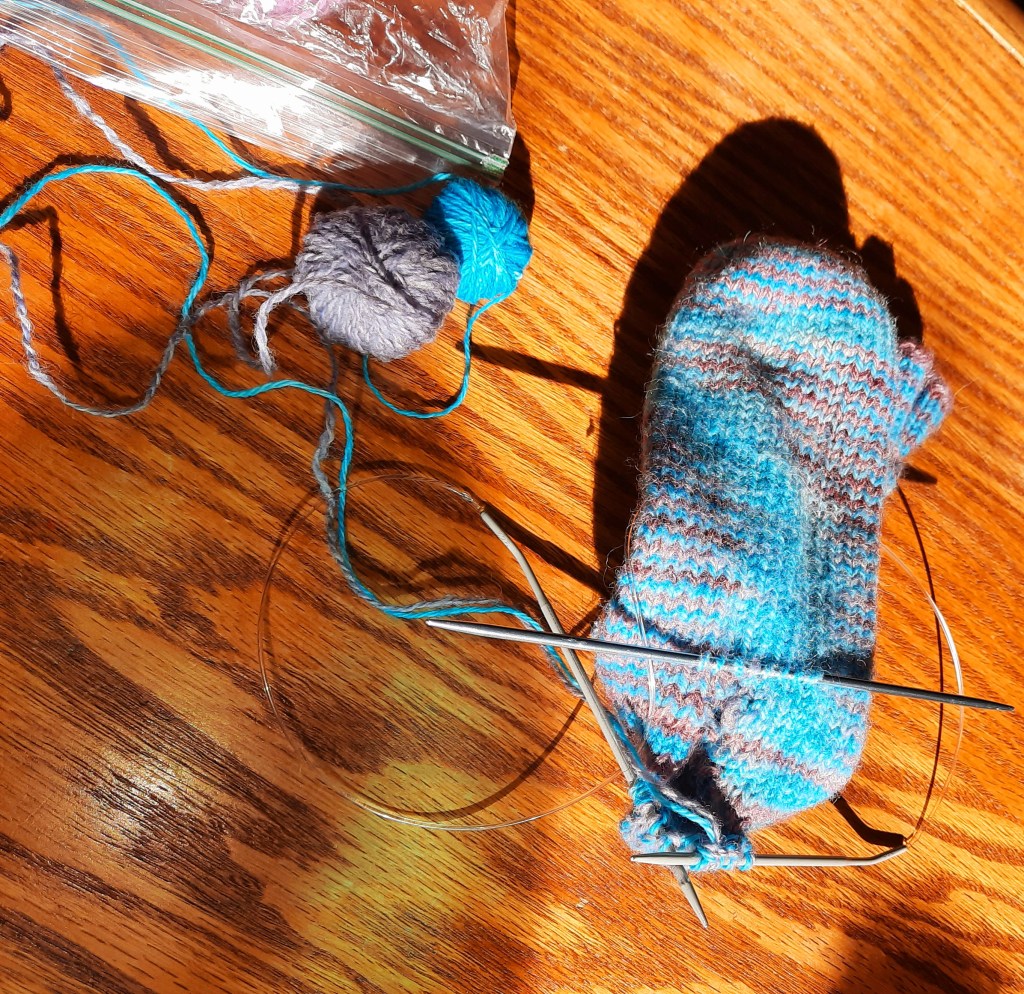
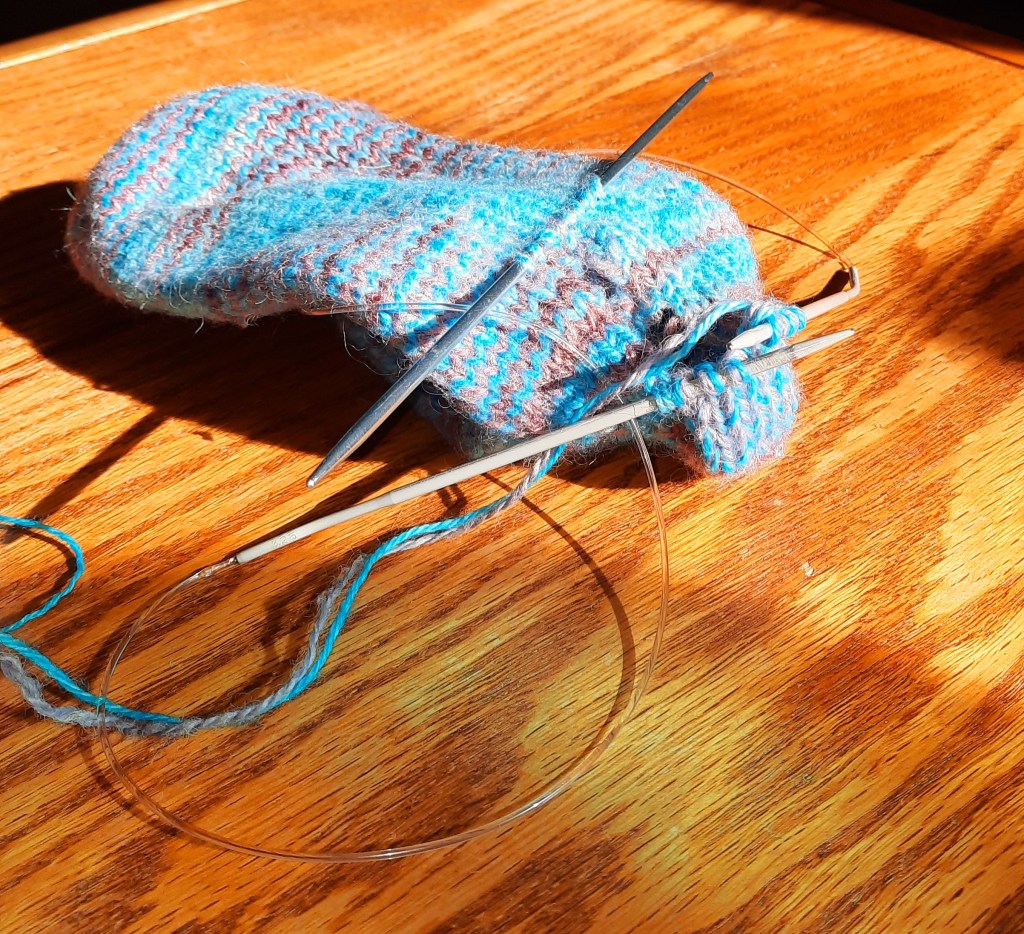
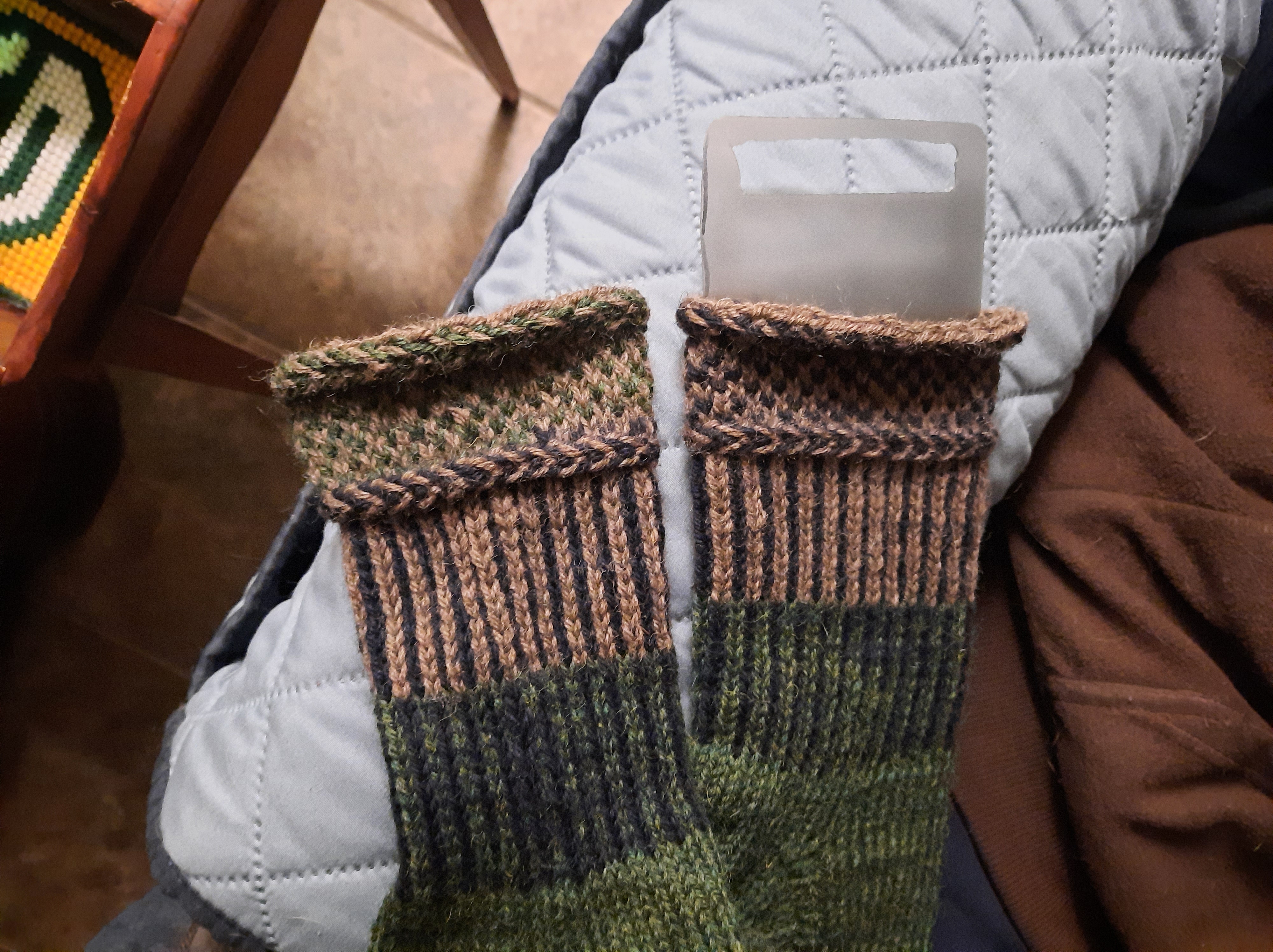
I enjoy creating my own sock designs and do so quite often. I recently learned how to knit what some people call proper gusseted socks. I’m told they fit a lot better than short-row heeled socks.

Here’s the thing about that: If you have small feet and/or small heels, the short-row heels fit much, much better than gusset heeled socks. Gusset heeled socks were the standard for eons and went the way of the dodo for awhile because of the invention of hand-crank sock knitting machines and automatic sock knitting machines. Gusset heeled socks have come hugely back in vogue because there are many people who want socks that fit the whole foot, including and especially the heel.

After all, no one wants a pair of socks that are so tight over their heel that you can see through the knit fabric!

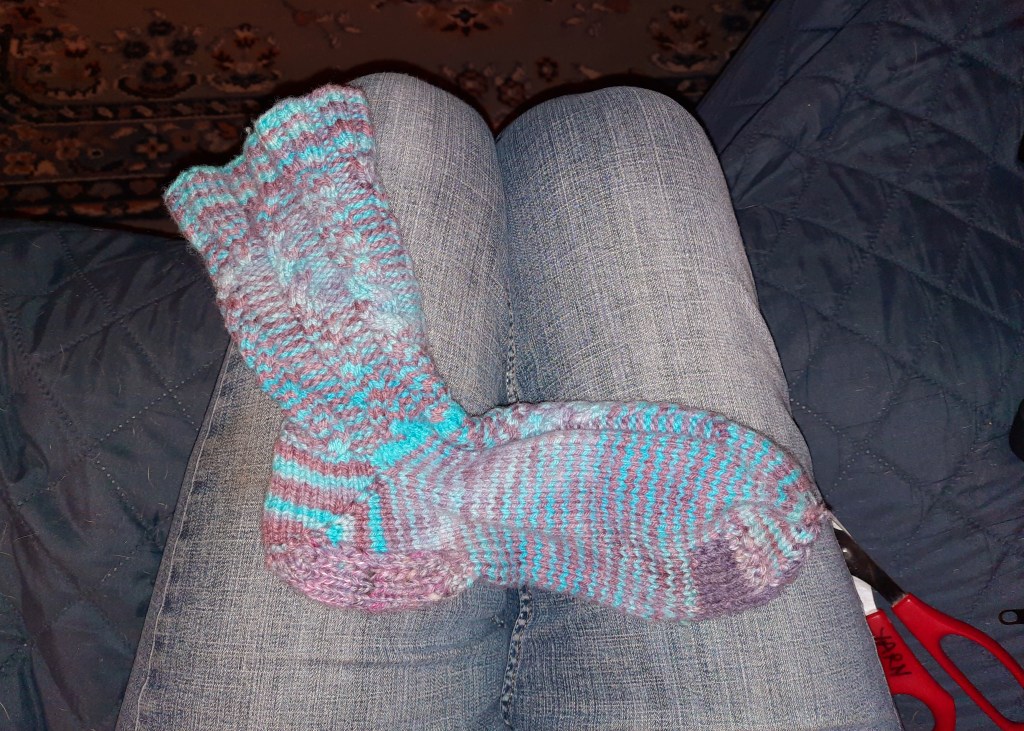
A fitted sock: size 9-1/2 wide

Get busy and make something!!

Here’s the link to my website!

Custom Socks I Designed & Knit

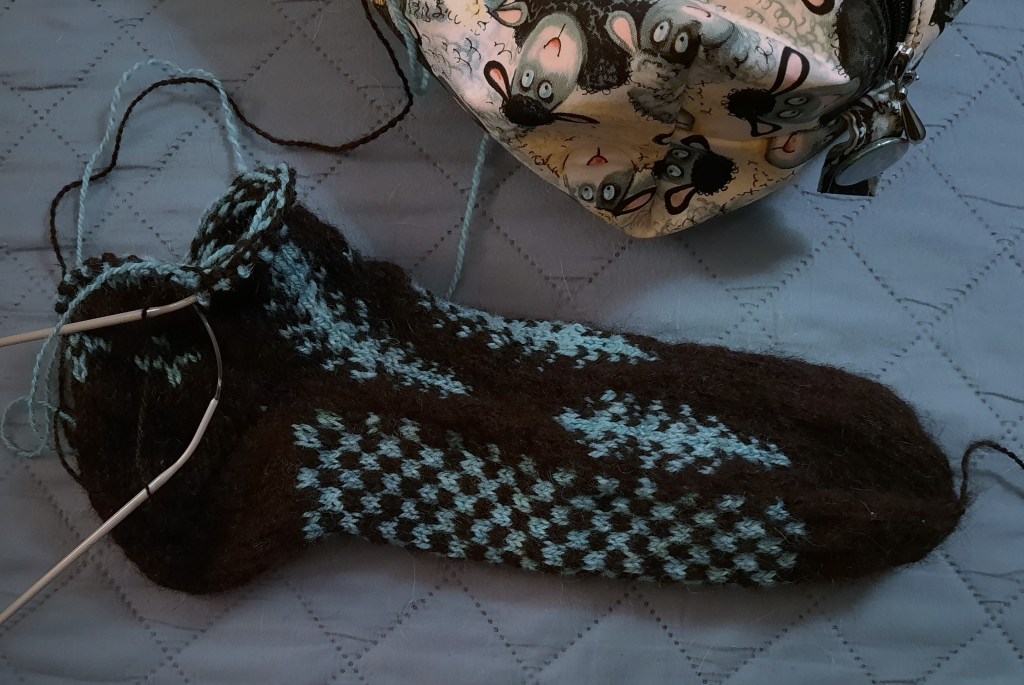
A customer contacted me on Etsy and asked me to design a pair of men’s size 13 EEE feather socks. I usually ask for 1/2 payment when I’m commissioned to design and/or custom create items. I do this because sometimes people forget about things like that, especially if it takes awhile to get it completed.

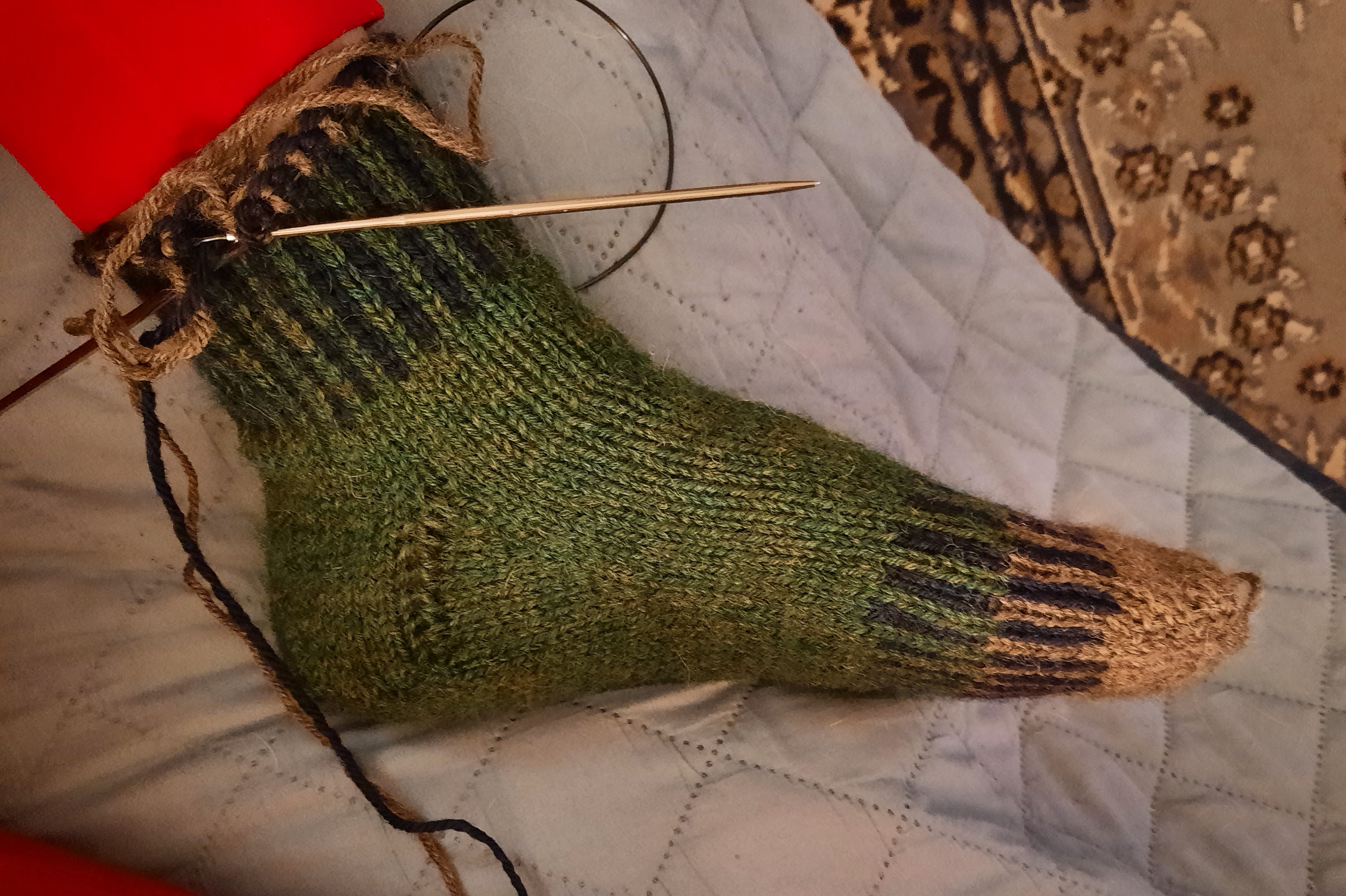
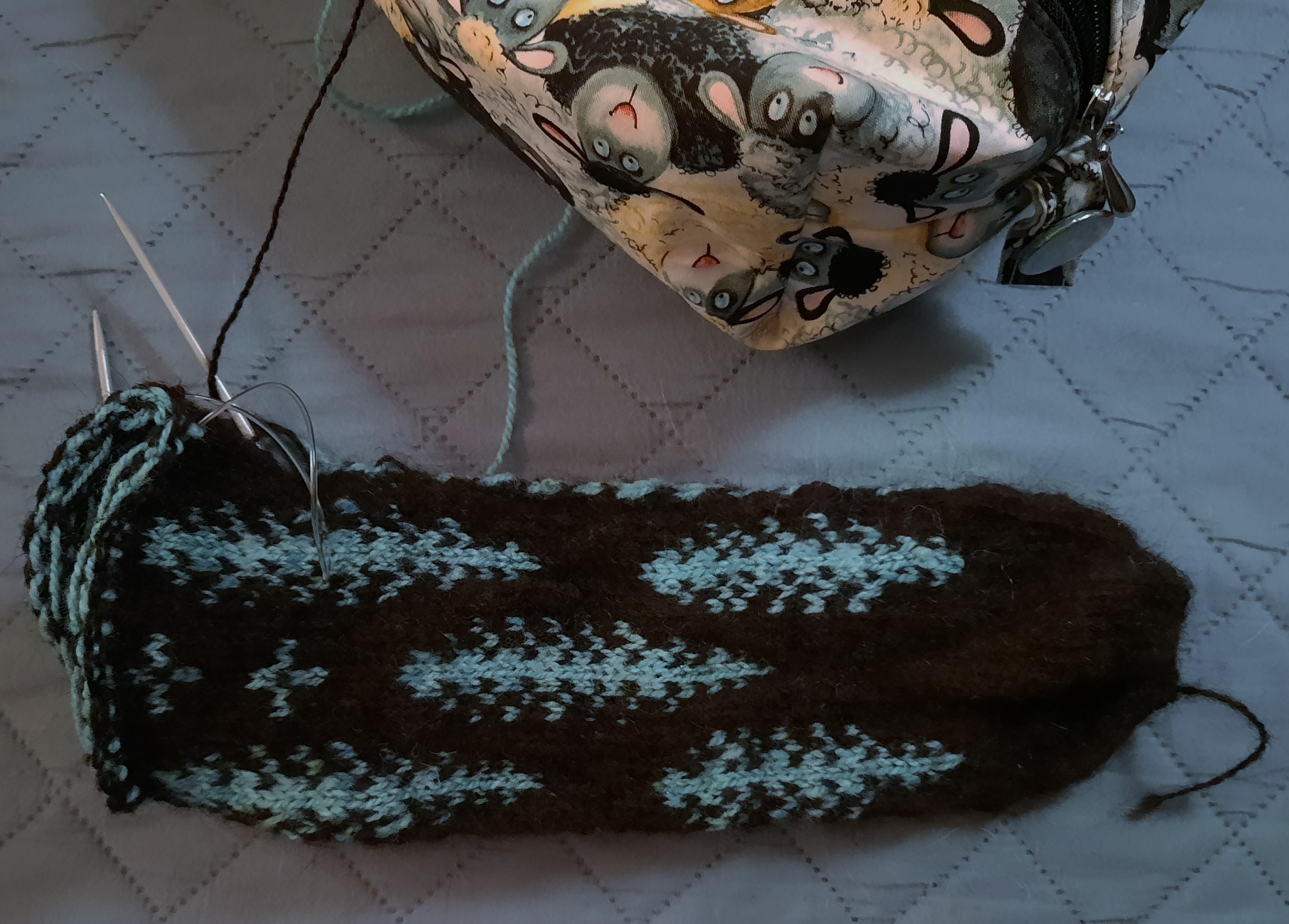
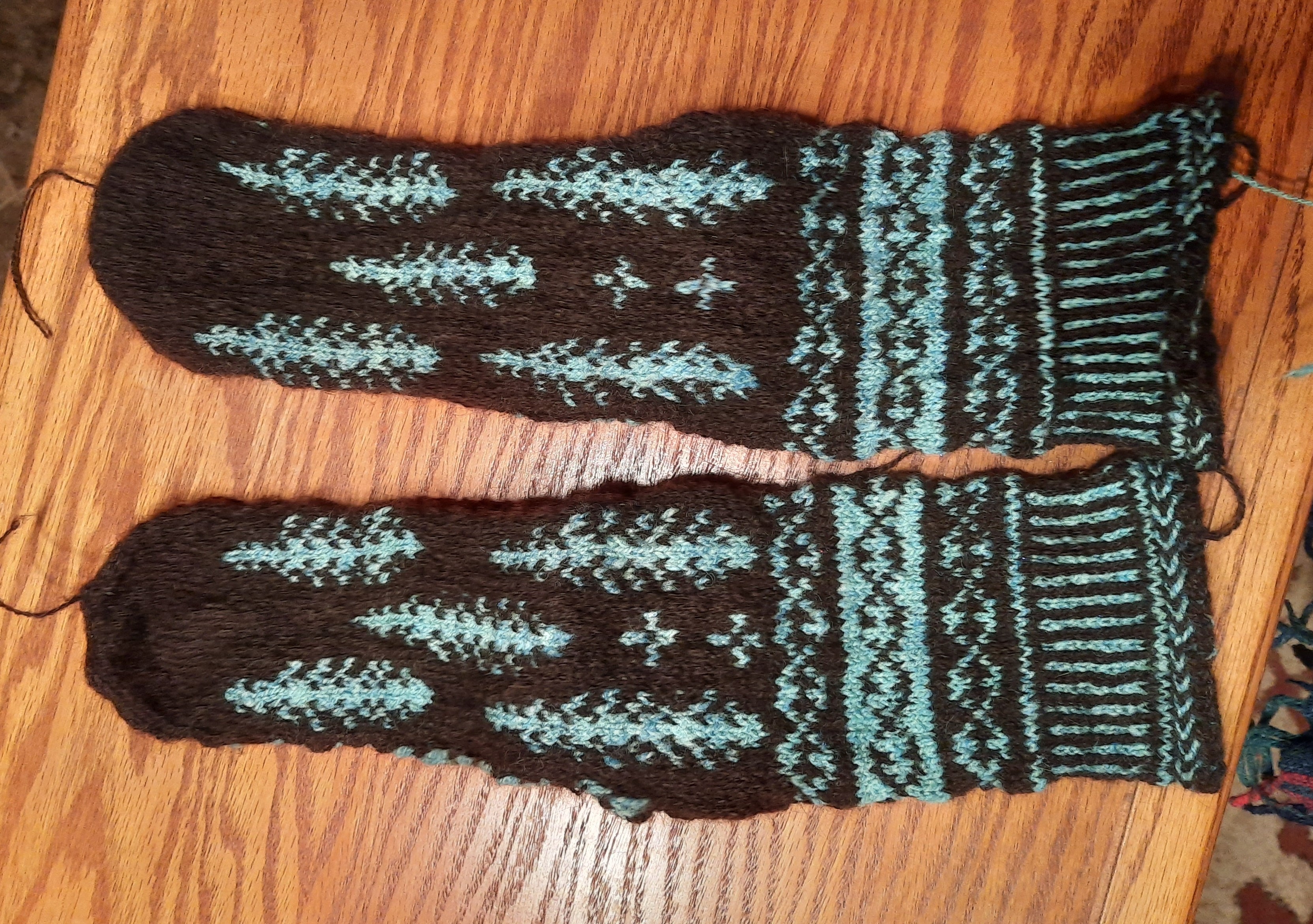
So, the next pictures feature the custom designed, hand knit feather socks. They were knit with hand spun yarn I created using natural black Icelandic fleece from Copia Cove and Cornflower blue Suffolk fleece from the Ahrens’ family farm.

I’ve included the links for Copia Cove because they breed and raise outstanding Icelandic Sheep and their fleece is a dream to spin! Icelandic wool makes very strong and warm socks!

***Note: I’m a customer of Copia Cove’s wool products. I’m merely sharing my source(s) so you can buy your own delicious wool.***

MrsD@thefiberodyssey.com